
The Communication and Control Modules Guide is essential for students, electronics enthusiasts, and robotics beginners who want to build smart and connected projects. Modern electronic systems rely on communication and control modules to exchange information, connect to networks, identify users, and control devices efficiently.
In this Communication and Control Modules Guide, we will explore four important modules widely used in Arduino, ESP32, and robotics projects: the HC-05 Bluetooth Module, ESP32 Wi-Fi Module, RFID Module, and Joystick Module.
Table of Contents
Introduction to the Communication and Control Modules Guide
Communication modules allow electronic devices to exchange data wirelessly, while control modules help users interact with machines and robots.
The Communication and Control Modules Guide introduces technologies that power smart homes, IoT devices, robotics systems, automated attendance systems, and wireless communication projects.
Understanding these modules is an important step toward building advanced electronics projects.
Communication and Control Modules Guide: HC-05 Bluetooth Module
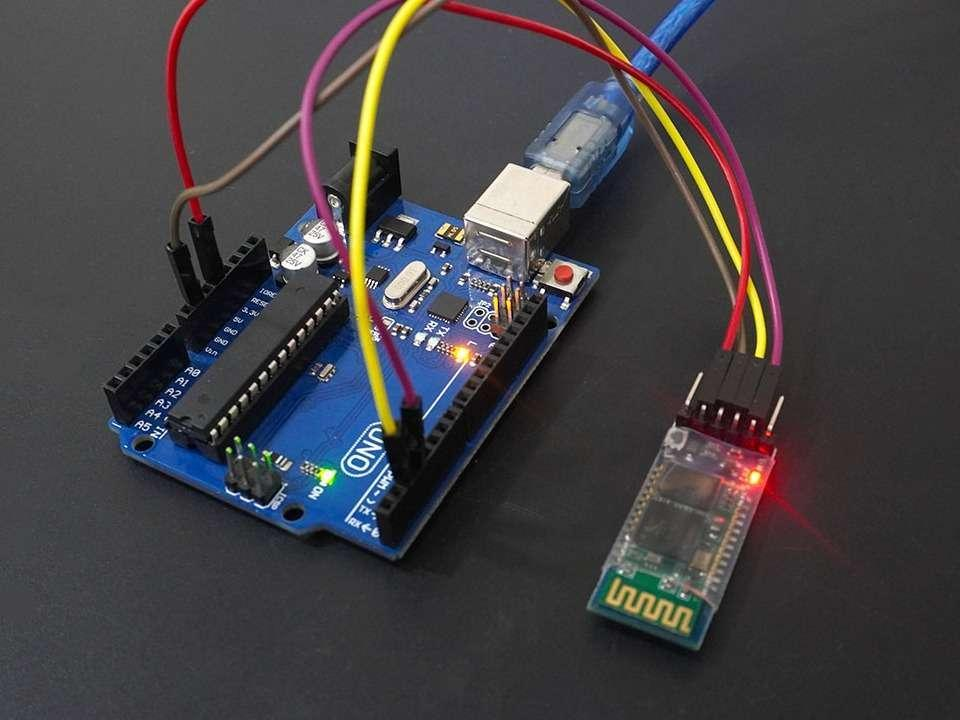
Communication and Control Modules Guide HC-05 Bluetooth Module
The HC-05 Bluetooth Module is one of the most popular wireless communication modules used in Arduino projects. It enables devices to exchange data over short distances using radio waves.
The module allows smartphones, computers, and microcontrollers to communicate without wires.
Key Features
- Wireless communication
- Easy Arduino integration
- Supports data transmission and reception
- Ideal for mobile-controlled projects
Common Applications
- Bluetooth-controlled robotic cars
- Wireless home automation
- Mobile app control systems
- Data transfer between devices
HC-05 Pin Configuration
- VCC
- GND
- TX
- RX
- EN
- STATE
Communication and Control Modules Guide: ESP32 Wi-Fi Module
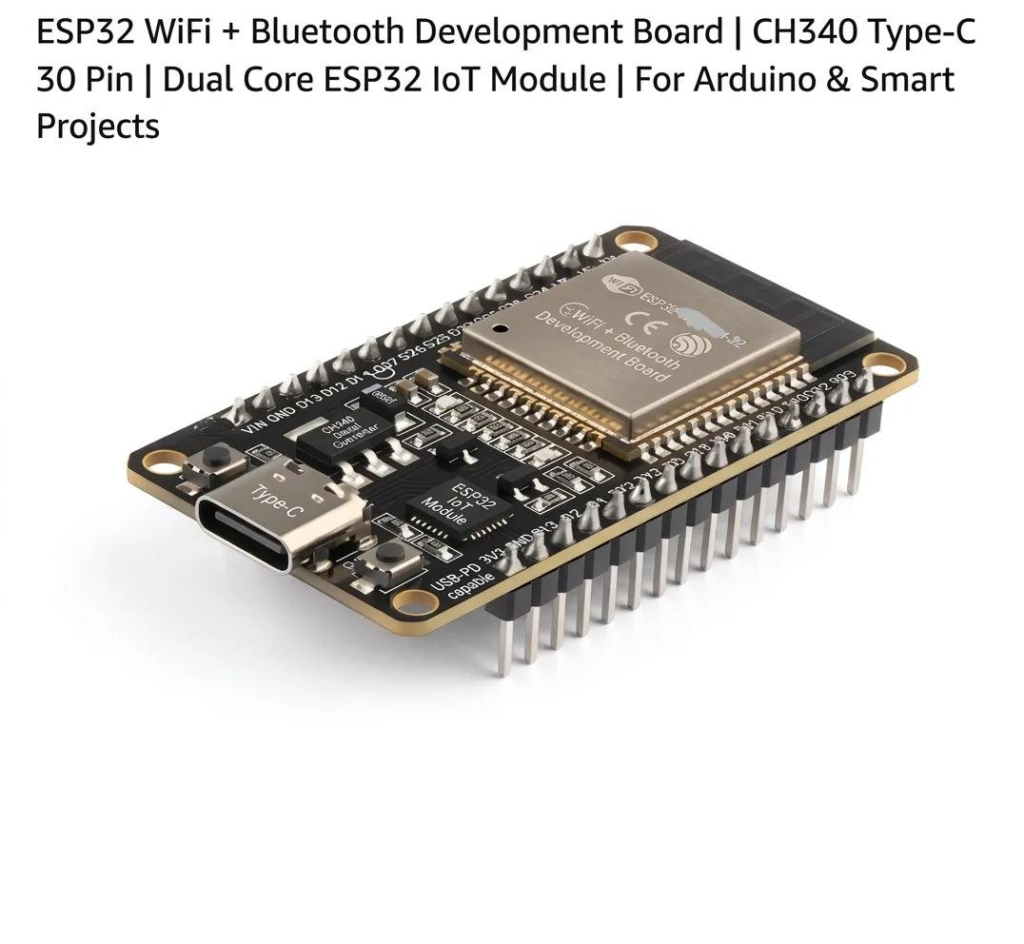
Communication and Control Modules Guide ESP32 Wi-Fi Module
The ESP32 is a powerful microcontroller that includes built-in Wi-Fi and Bluetooth capabilities.
Unlike traditional Arduino boards, ESP32 can connect directly to the internet, making it ideal for Internet of Things (IoT) projects.
Advantages of ESP32
- Built-in Wi-Fi
- Built-in Bluetooth
- High processing speed
- Multiple GPIO pins
- Supports IoT applications
Real-World Applications
- Smart home automation
- Weather monitoring stations
- Remote sensor monitoring
- Internet-connected robots
ESP32 vs Bluetooth
| Feature | Bluetooth | ESP32 Wi-Fi |
|---|---|---|
| Range | Short | Long |
| Internet Access | No | Yes |
| Speed | Moderate | High |
| IoT Support | Limited | Excellent |
Communication and Control Modules Guide: RFID Module
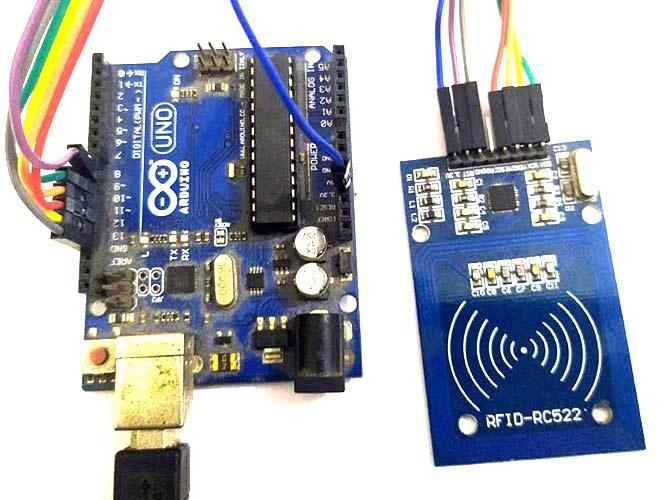
Communication and Control Modules Guide RFID Module
RFID stands for Radio Frequency Identification. It is a wireless technology used to identify and authenticate people, objects, or assets using RFID tags and readers.
RFID systems are widely used in security and access control applications.
How RFID Works
The RFID reader emits radio frequency signals that communicate with RFID tags. Each tag contains unique identification data that can be read without physical contact.
Applications
- Attendance systems
- Metro cards
- Smart access control
- Employee identification
- Library management systems
Common RFID Pins
- VCC
- GND
- SDA
- SCK
Communication and Control Modules Guide: Joystick Module
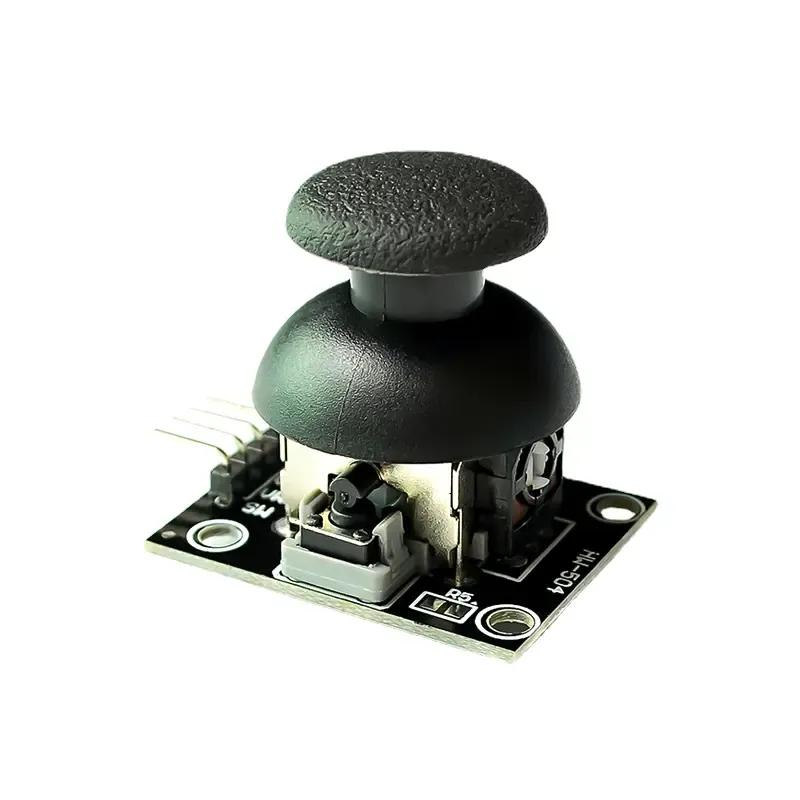
Communication and Control Modules Guide Joystick Module
A Joystick Module is a control device that allows users to provide directional input to electronic systems.
The module operates similarly to a potentiometer and provides movement information along the X-axis and Y-axis.
Features
- 360-degree movement
- X-axis control
- Y-axis control
- Push-button switch
Applications
- Robotic car control
- Gaming systems
- Drone controllers
- Robot arm movement
Joystick Module Pins
- VCC
- GND
- VRx
- VRy
- SW
RoboSiddhi Learning Experience
These concepts were introduced during a RoboSiddhi electronics and robotics training session focused on communication and control systems.
Students learned how Bluetooth enables wireless communication, how ESP32 connects projects to the internet, how RFID improves security and identification, and how joystick modules provide intuitive control for robots and electronic devices.
Practical demonstrations helped learners understand module connections and real-world applications.
Practical YouTube Tutorial
Practical learning is one of the best ways to understand communication modules.
Recommended YouTube topics:
- HC-05 Bluetooth Module Arduino Tutorial
- ESP32 Wi-Fi Projects for Beginners
- RFID Attendance System Arduino Project
- Joystick Controlled Robot Car Tutorial
Hands-on experimentation helps beginners understand coding, wiring, and troubleshooting.
Real-World Applications
The Communication and Control Modules Guide demonstrates how these modules power modern technology.
Smart Homes
ESP32 enables internet-based control of lights, appliances, and sensors.
Robotics
Bluetooth and joystick modules provide wireless and manual control of robotic systems.
Security Systems
RFID modules secure access to buildings, offices, and educational institutions.
IoT Applications
ESP32 connects sensors and devices to cloud platforms for remote monitoring and automation.
Conclusion
This Communication and Control Modules Guide introduced four powerful components used in modern electronics and robotics. The HC-05 Bluetooth Module enables wireless communication, ESP32 provides internet connectivity for IoT projects, RFID offers secure identification and access control, and Joystick Modules allow intuitive device control.
Together, these modules form the backbone of communication and control systems in robotics, automation, and smart technology projects. Learning how these modules work is an important step toward building advanced Arduino and ESP32 applications.