
The Smart Sensors Guide is essential for anyone learning Arduino, robotics, and electronics. Sensors help electronic systems interact with the real world by detecting light, objects, vibrations, gases, and fire. Without sensors, robots and automation systems would not be able to make intelligent decisions.
In this Smart Sensors Guide, we will explore five important sensors commonly used in robotics and automation projects: the LDR Sensor, IR Sensor, Piezoelectric Sensor, Gas Sensor, and Flame Sensor.
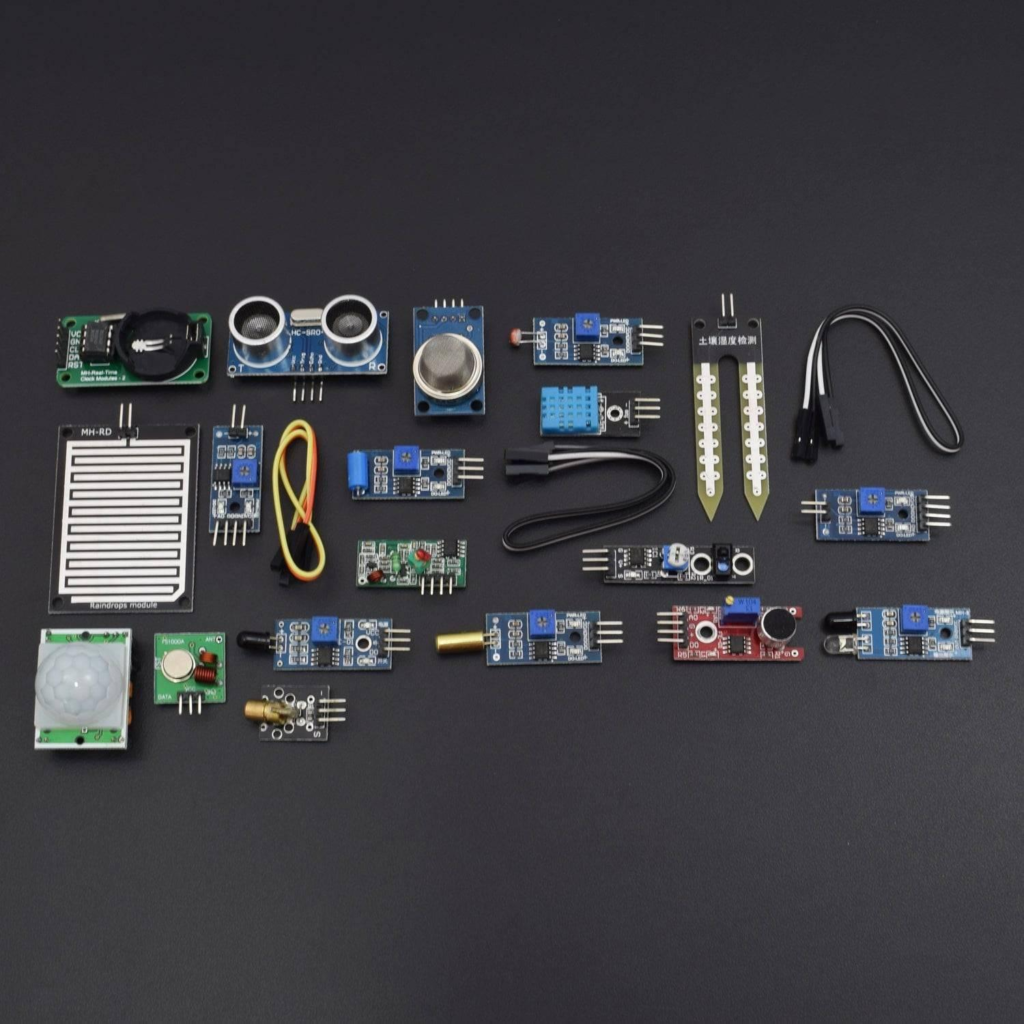
Table of Contents
Introduction to the Smart Sensors Guide
Sensors are electronic components that detect physical changes in the environment and convert them into electrical signals. These signals can then be processed by microcontrollers such as Arduino and ESP32.
The Smart Sensors Guide focuses on sensors that improve automation, safety, environmental monitoring, and robotics. These sensors act like the eyes, ears, and senses of modern electronic systems.
Smart Sensors Guide: LDR Sensor
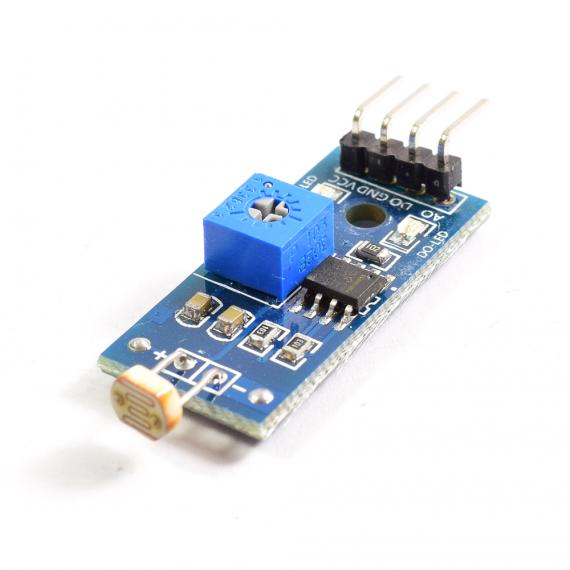
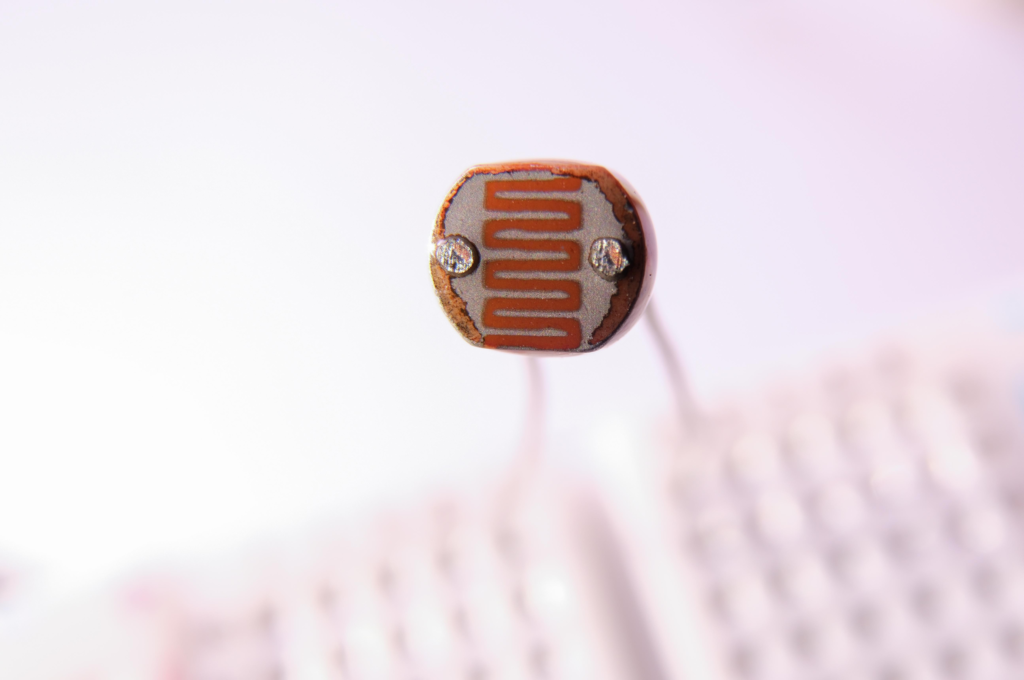
An LDR (Light Dependent Resistor) is a sensor whose resistance changes according to the amount of light falling on it.
When the surroundings are dark, the resistance of the LDR becomes very high. When bright light falls on the sensor, its resistance decreases significantly, allowing current to flow more easily.
How an LDR Works
The sensor is made from cadmium sulphide (CdS), a semiconductor material that exhibits photoconductivity. When light strikes the material, electrons gain energy and move into the conduction band, increasing conductivity.
Applications of LDR Sensors
- Automatic street lights
- Light-sensitive switches
- Solar tracking systems
- Smart home lighting
Smart Sensors Guide: IR Sensor
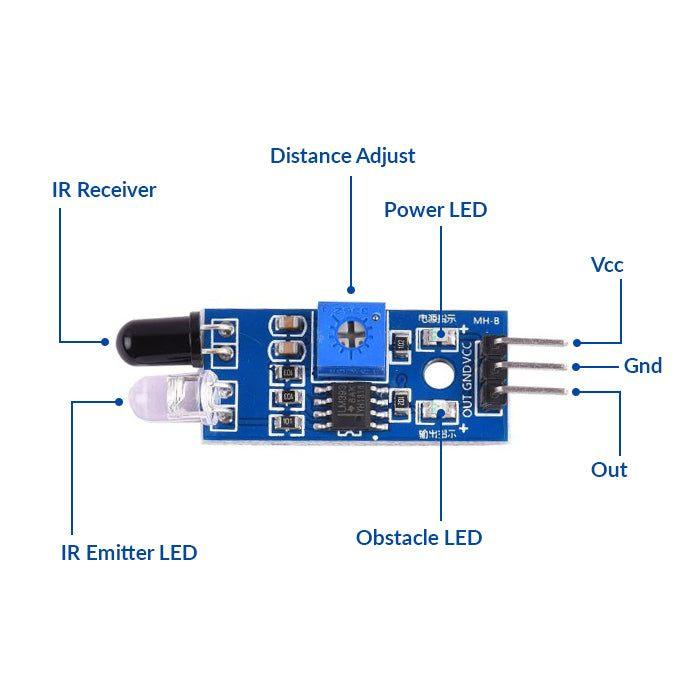
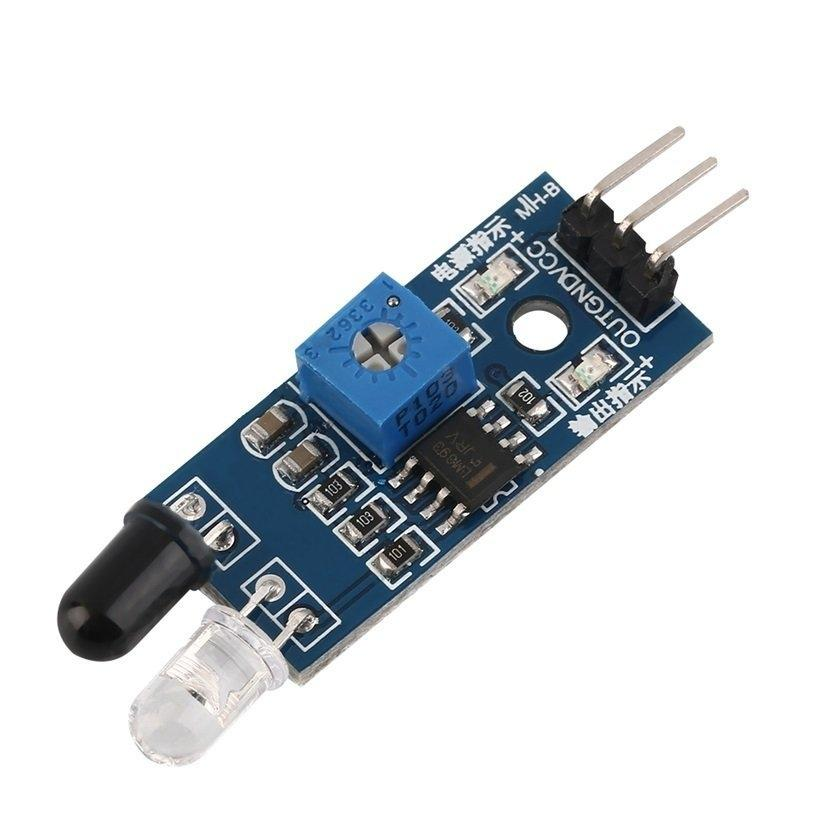
An IR (Infrared) Sensor detects objects using infrared light that is invisible to the human eye.
The sensor emits infrared rays and waits for them to reflect back from nearby objects. Based on the reflected signal, it can determine the presence or distance of an object.
Common Applications
- TV remote controls
- Obstacle-avoiding robots
- Automatic doors
- Motion detection systems
Advantages
- Fast object detection
- Low cost
- Easy Arduino integration
Smart Sensors Guide: Piezoelectric Sensor
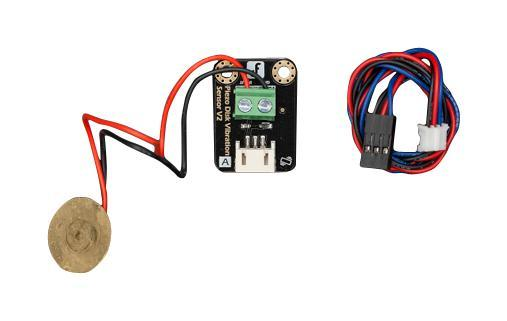

A Piezoelectric Sensor converts mechanical pressure or vibration into electrical energy.
It works using special piezoelectric crystals that generate a small voltage whenever force is applied to them.
Applications
- Security alarms
- Vibration monitoring systems
- Drum pads and musical instruments
- Industrial machinery monitoring
Benefits
- Highly sensitive
- Reliable vibration detection
- Compact size
Smart Sensors Guide: Gas Sensor
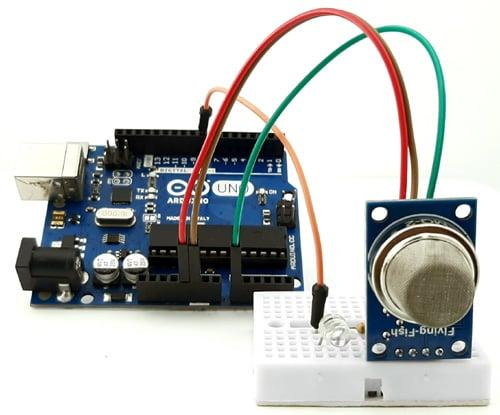
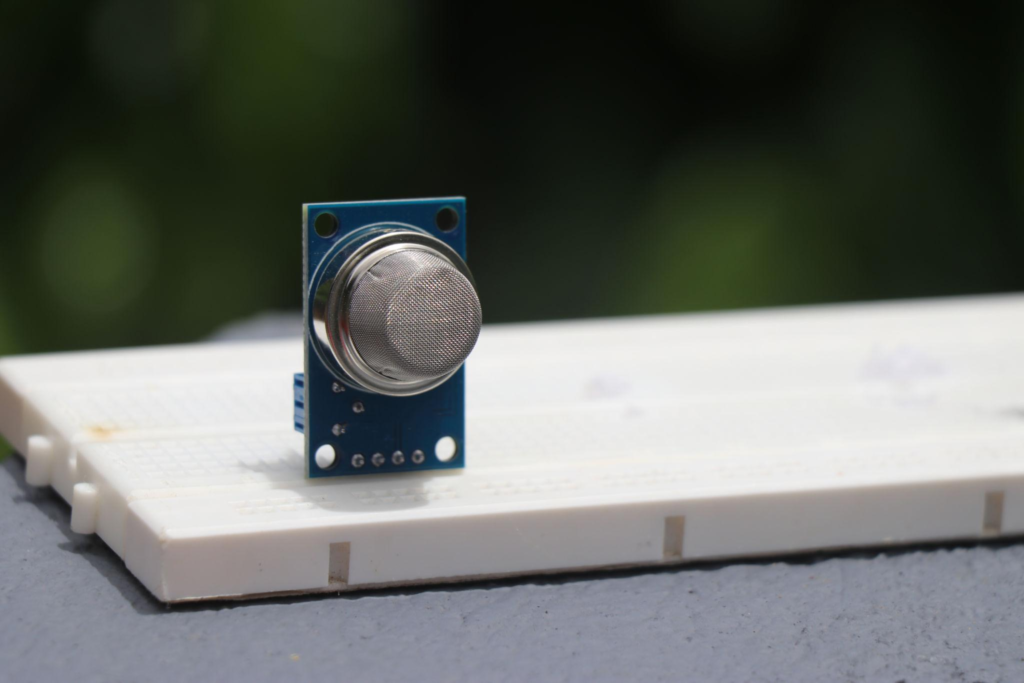
A Gas Sensor acts like an electronic nose that detects harmful gases in the air.
Many gas sensors use a metal oxide layer that changes its resistance when exposed to gases such as LPG, carbon monoxide, and smoke.
Applications
- Gas leak detection
- Kitchen safety systems
- Air quality monitoring
- Industrial safety equipment
Features
- Detects dangerous gases
- Provides analog and digital outputs
- Suitable for Arduino projects
Smart Sensors Guide: Flame Sensor
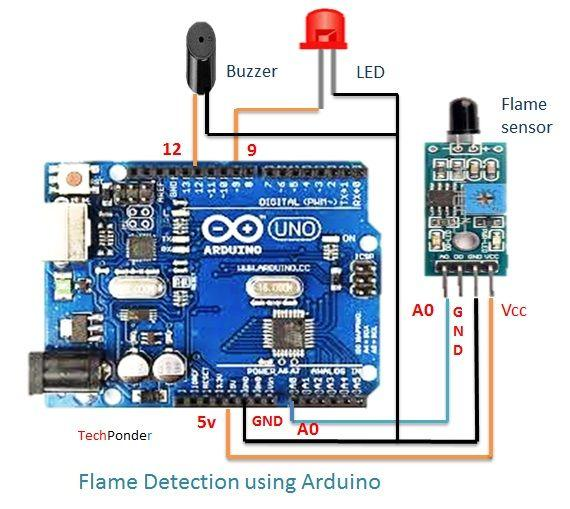
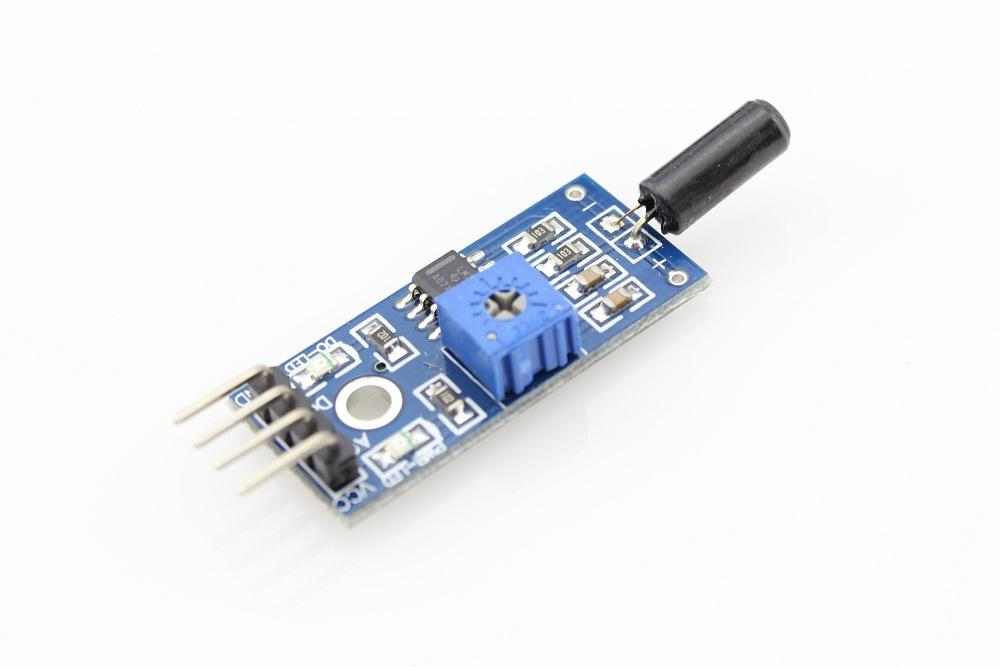
A Flame Sensor is designed to detect fire by sensing the light emitted from flames.
It acts as a miniature fire detector and sends signals to a microcontroller whenever fire is detected.
Applications
- Fire alarm systems
- Industrial safety systems
- Fire-fighting robots
- Automatic sprinkler systems
Advantages
- Quick fire detection
- Improves safety
- Easy to integrate with automation system
RoboSiddhi Learning Experience
These concepts were covered during a RoboSiddhi electronics and robotics training session. Students learned how different sensors interact with the environment and how they can be connected to Arduino boards for practical projects.
The session focused on understanding sensor working principles, circuit connections, and real-world applications in automation and robotics.
Key Learnings
- Detecting light using LDR sensors
- Object detection using IR sensors
- Measuring vibrations using piezoelectric sensors
- Monitoring gases using MQ-series gas sensors
- Detecting fire using flame sensors
Practical YouTube Tutorial
To understand these sensors better, practical demonstrations are highly recommended.
Search YouTube for:
- Arduino LDR Sensor Project
- IR Sensor Arduino Tutorial
- Piezoelectric Sensor Arduino Project
- MQ Gas Sensor Tutorial
- Flame Sensor Arduino Project
Watching practical demonstrations will help you understand sensor connections, coding, and troubleshooting techniques.
Real-World Applications of Smart Sensors
The Smart Sensors Guide is useful for understanding modern automation systems.
Smart Homes
LDR sensors and gas sensors are used to automate lighting and improve safety.
Robotics
IR sensors help robots detect obstacles and navigate safely.
Industrial Monitoring
Piezoelectric sensors monitor machine vibrations and equipment health.
Safety Systems
Gas and flame sensors provide early warning against hazardous situations.
Environmental Monitoring
Sensors help collect important data for air quality and environmental analysis.
Conclusion
This Smart Sensors Guide introduced five important sensors used in modern electronics and robotics. LDR sensors detect light, IR sensors detect objects, piezoelectric sensors detect vibrations, gas sensors monitor air quality, and flame sensors detect fire.
Together, these sensors help create intelligent systems capable of sensing, responding, and interacting with the environment. Mastering these sensors is an important step for anyone interested in Arduino, robotics, automation, and embedded systems.