
Robotics and electronics are becoming increasingly popular among students, hobbyists, and technology enthusiasts. An Electronics Components Guide helps beginners understand the building blocks used in modern electronic projects. Whether you are creating a smart robot, a home automation system, or an Arduino-based project, understanding electronic components is essential.
In this Electronics Components Guide, we will explore five important components that make electronic projects smarter and more interactive: the LCD Display, Ultrasonic Sensor, DHT11 Temperature Sensor, Tilt Sensor, and RGB LED.
Table of Contents
Introduction to the Electronics Components Guide
The Electronics Components Guide focuses on devices that help electronic systems interact with the real world. Some components gather information from the environment, while others display information or create visual effects.
These components are commonly used with Arduino, ESP32, Raspberry Pi, and other microcontrollers to build intelligent systems capable of sensing, displaying, and responding to different situations.
LCD Display in the Electronics Components Guide
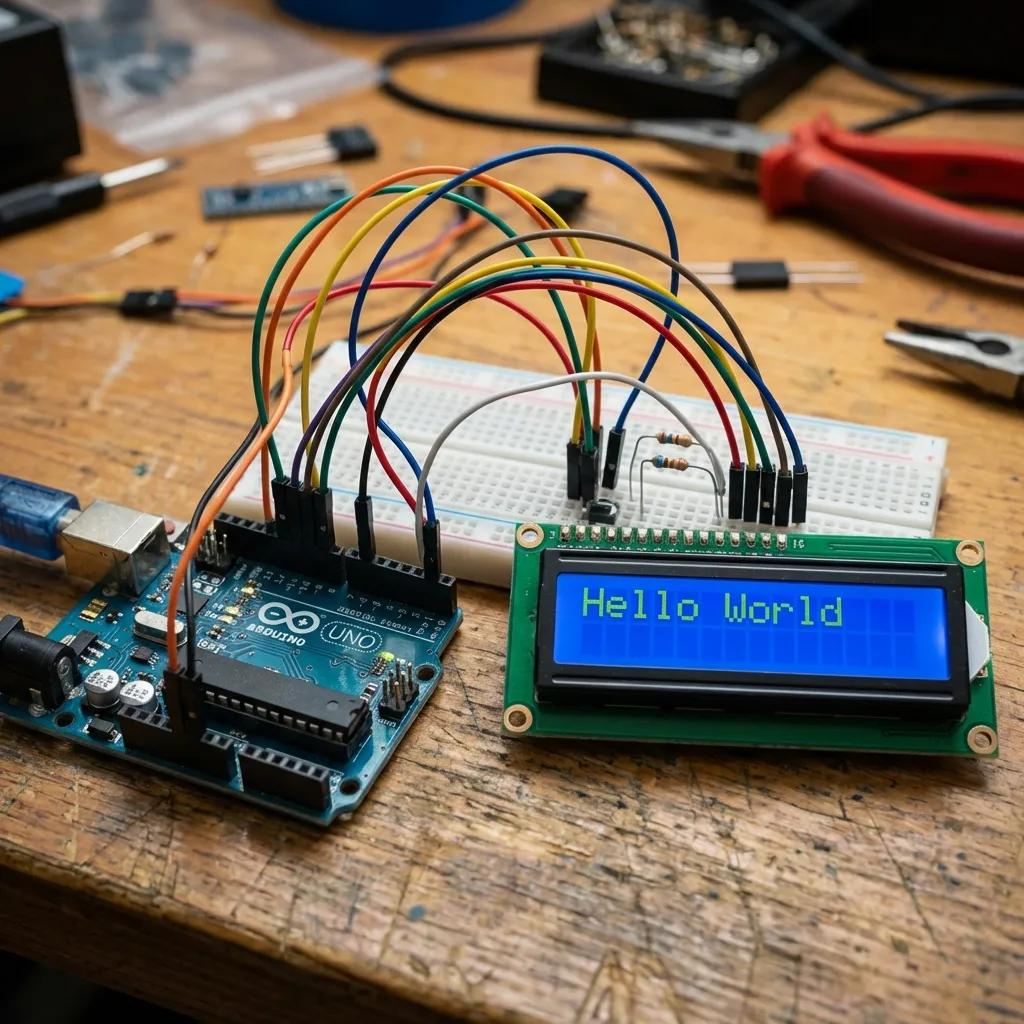
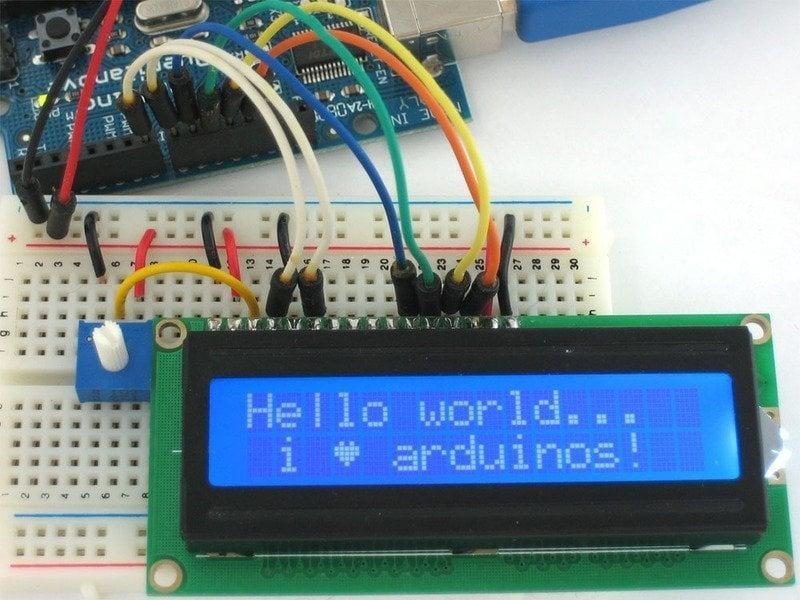
An LCD (Liquid Crystal Display) is one of the most useful output devices in electronics. It allows a circuit to display text, numbers, and messages in a clear and readable format.
Instead of relying on blinking LEDs, developers can use an LCD to show sensor readings, warnings, and status messages directly on the screen.
Common Applications of LCD Displays
- Digital clocks
- Calculators
- Microwave ovens
- Fuel dispensing machines
- Arduino projects
Benefits of LCD Displays
- Easy-to-read output
- Low power consumption
- Ideal for displaying sensor data
- Improves user interaction
Ultrasonic Sensor in the Electronics Components Guide
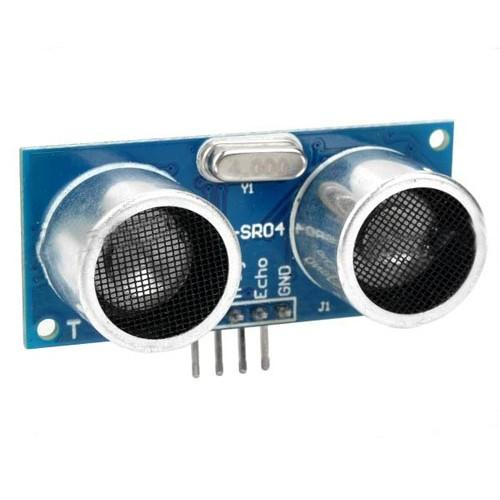
The ultrasonic sensor is often called the eyes of a robot. It measures distance by sending ultrasonic sound waves and calculating how long it takes for the echo to return.
This sensor helps robots detect obstacles and navigate their surroundings safely.
Applications of Ultrasonic Sensors
- Obstacle avoidance robots
- Parking assistance systems
- Automatic water taps
- Smart security systems
Advantages
- Accurate distance measurement
- Easy integration with Arduino
- Reliable obstacle detection
DHT11 Temperature Sensor in the Electronics Components Guide
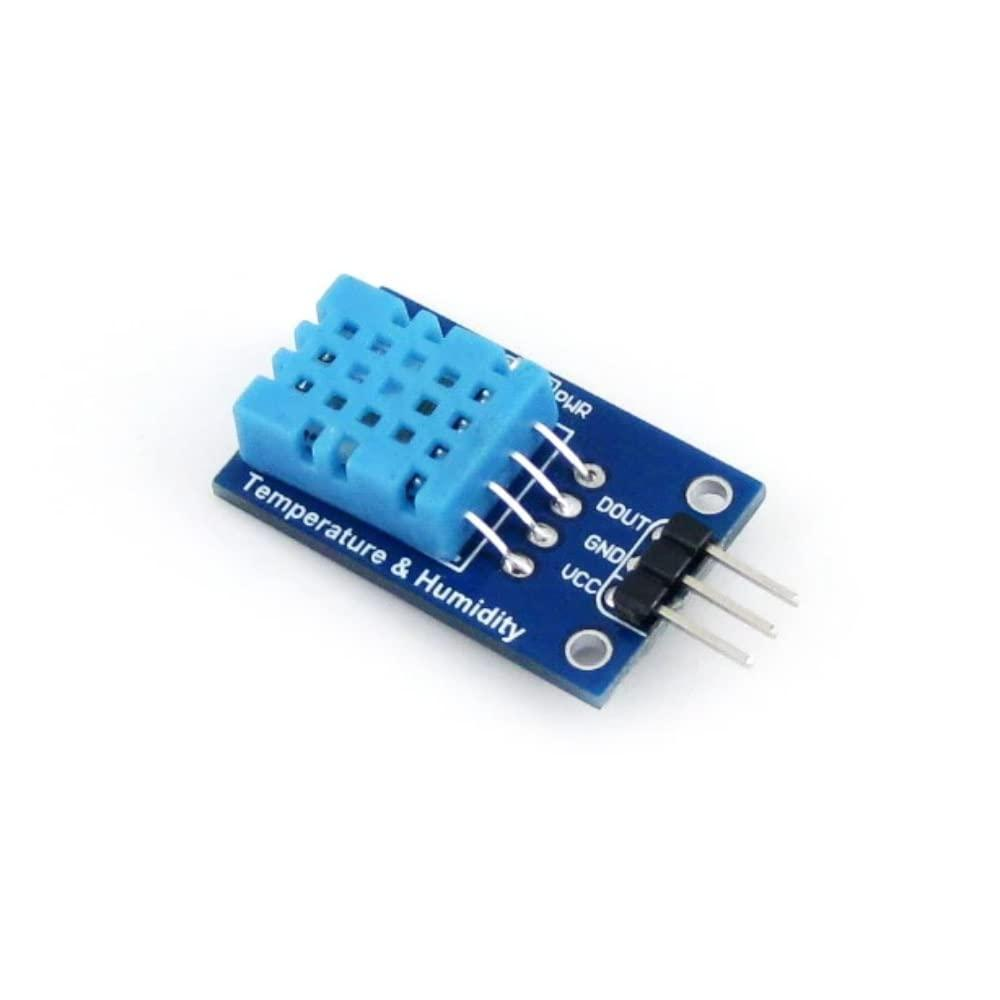
The DHT11 sensor measures both temperature and humidity. It acts like a mini weather station for electronic projects.
The sensor continuously monitors environmental conditions and sends data to a microcontroller for processing.
Applications of DHT11 Sensors
- Smart homes
- Weather monitoring stations
- Greenhouse automation
- Climate control systems
Why Use DHT11?
- Measures temperature and humidity together
- Low cost
- Beginner-friendly
- Easy Arduino integration
Tilt Sensor in the Electronics Components Guide
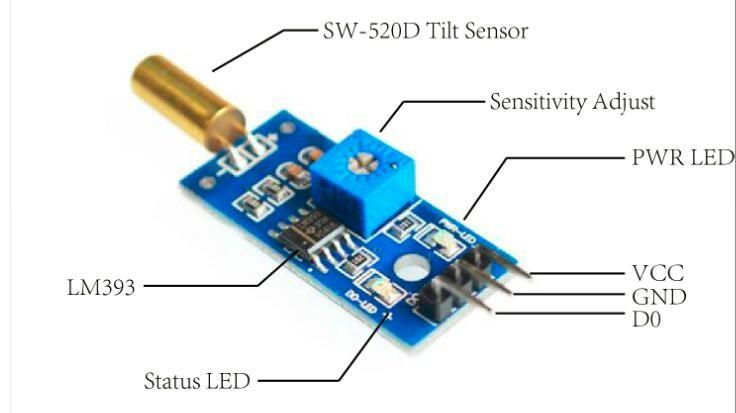
A tilt sensor detects changes in orientation and movement. Inside the sensor is a small conductive ball that moves when the device is tilted.
When the ball touches the internal contacts, the circuit is completed and a signal is generated.
Applications of Tilt Sensors
- Anti-theft alarm systems
- Mobile device orientation detection
- Motion-sensitive projects
- Industrial safety systems
Key Benefits
- Simple design
- Low power usage
- Reliable movement detection
RGB LED in the Electronics Components Guide
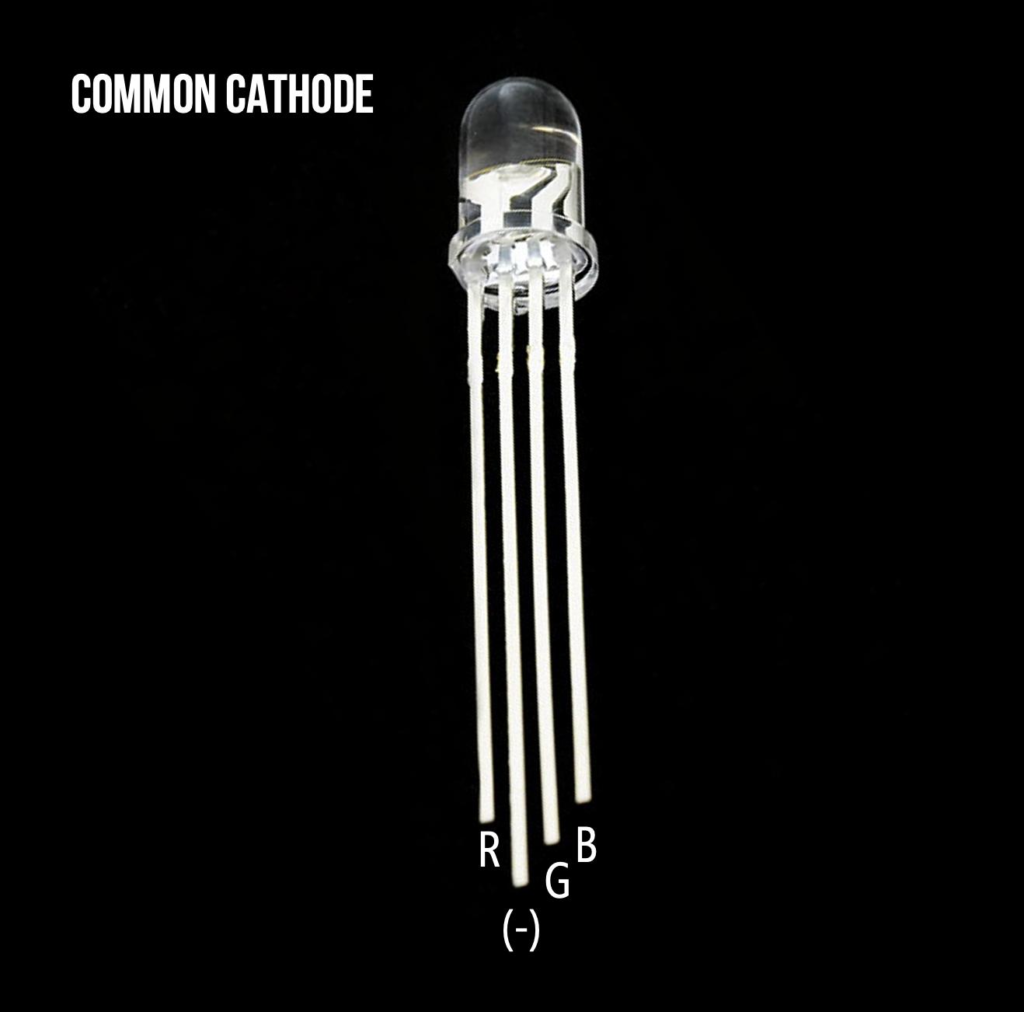
An RGB LED combines red, green, and blue LEDs into a single package. By adjusting the brightness of each color, thousands of color combinations can be produced.
RGB LEDs are used to create attractive lighting effects and visual indicators in electronic projects.
Applications of RGB LEDs
- Decorative lighting
- Gaming setups
- Smart home systems
- Status indicators
- LED strips
Advantages
- Multiple colors from one component
- Energy efficient
- Attractive visual output
RoboSiddhi Learning Experience
These concepts were introduced during a RoboSiddhi electronics and robotics learning session designed for beginners. The session focused on understanding how sensors and displays make projects more intelligent and interactive.
Students learned how LCD displays communicate information, how ultrasonic sensors measure distance, how DHT11 sensors monitor environmental conditions, how tilt sensors detect movement, and how RGB LEDs create colorful visual effects.
The practical demonstrations helped learners understand real-world applications of these components in robotics and automation projects.
YouTube Tutorial and Practical Learning
Watching practical demonstrations is one of the best ways to understand electronics. A hands-on YouTube tutorial can help learners see how components are connected and programmed.
Recommended topics to explore:
- Arduino LCD Display Tutorial
- HC-SR04 Ultrasonic Sensor Projects
- DHT11 Temperature and Humidity Monitoring
- Tilt Sensor Arduino Projects
- RGB LED Color Mixing Projects
Practical experimentation combined with theoretical learning helps build a strong foundation in robotics and electronics.
Applications of These Components
The components discussed in this Electronics Components Guide are widely used in modern technology.
Robotics
Robots use ultrasonic sensors for obstacle detection and LCDs for displaying information.
Home Automation
Temperature sensors and RGB LEDs are commonly used in smart homes.
Industrial Systems
Tilt sensors help detect machine position and movement.
Educational Projects
Arduino beginners frequently use all these components to learn electronics and programming.
Conclusion
This Electronics Components Guide introduced five essential components that play a major role in robotics and electronics projects. LCD displays provide information, ultrasonic sensors measure distance, DHT11 sensors monitor environmental conditions, tilt sensors detect movement, and RGB LEDs create colorful visual effects.
Together, these components help transform simple circuits into intelligent systems capable of sensing, communicating, and responding to the world around them. For beginners entering the field of robotics and electronics, mastering these components is an important step toward building innovative projects and gaining practical technical skills.