
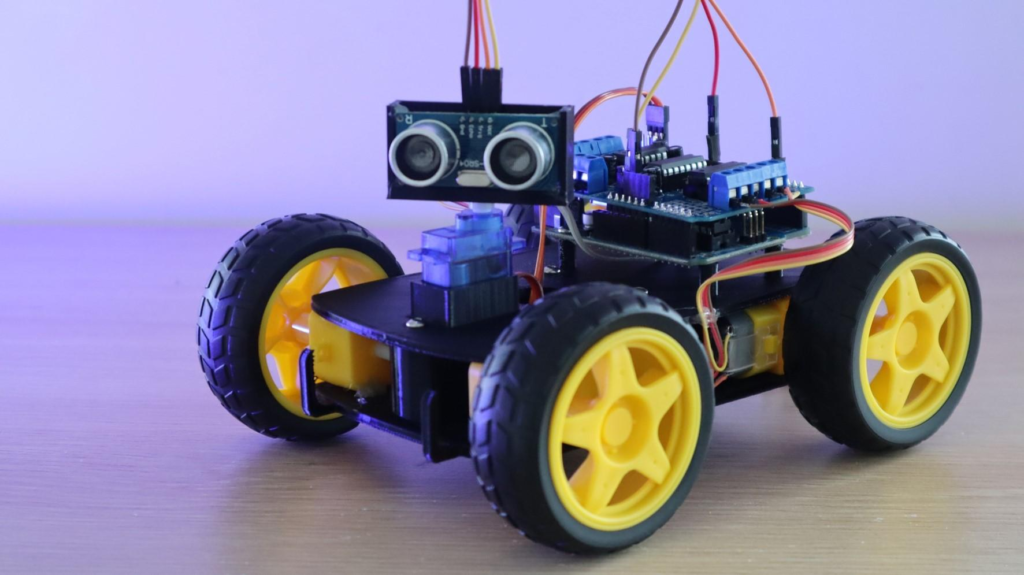
The Obstacle Avoiding Rover Project is one of the most exciting and educational Grade 8 STEM Activities that introduces students to the world of robotics, programming, electronics, and automation. In today’s technology-driven world, students need hands-on learning experiences that help them understand how real-world systems work. This project combines mechanical design, electronics, sensor technology, and coding into a single engaging activity.
At RoboSiddhi, we believe that practical learning is the key to developing future innovators. The Obstacle Avoiding Rover Project enables students to explore how robots detect obstacles and make decisions automatically. By building and programming a rover using Arduino and an ultrasonic sensor, students gain valuable experience in STEM concepts while having fun.
Table of Contents
What is an Obstacle Avoiding Rover Project?
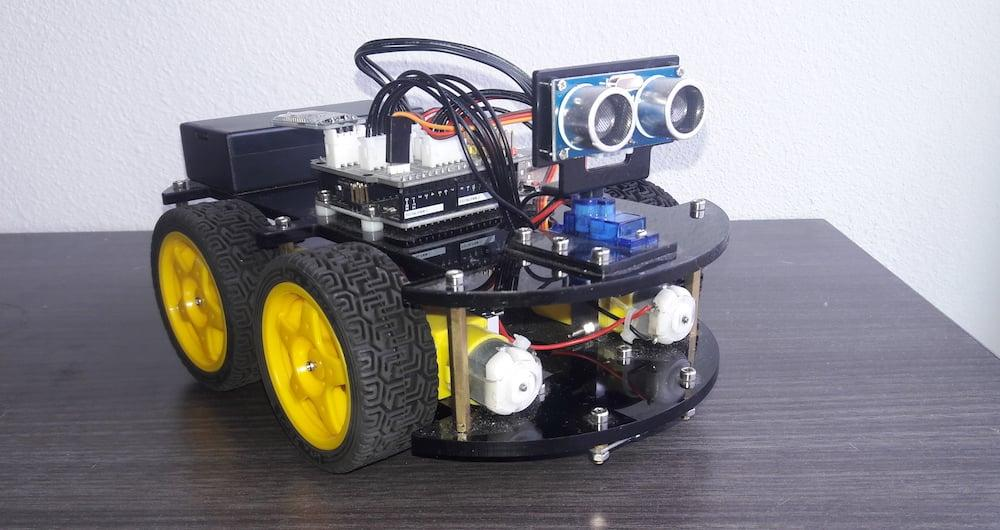
An Obstacle Avoiding Rover Project is a robotics activity where a rover or robot vehicle automatically detects objects in its path and changes its movement to avoid collisions. This is achieved using an ultrasonic sensor that continuously measures the distance between the rover and nearby objects.
When the sensor detects an obstacle within a predefined distance, the Arduino processes the information and commands the motors to stop, reverse, or change direction. This intelligent behavior makes the rover appear autonomous and capable of making decisions without human intervention.
The project demonstrates the integration of hardware and software, making it one of the most practical Grade 8 STEM Activities available for students.
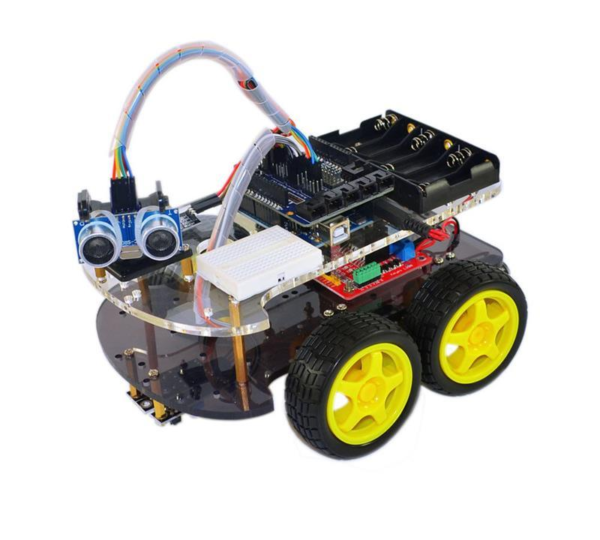
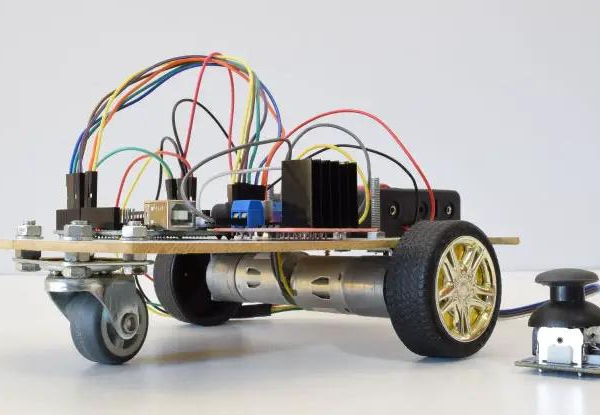
Why Obstacle avoidance robot is One of the Best Grade 8 STEM Activities
Modern education is shifting toward experiential learning, and Grade 8 STEM Activities play an important role in this transformation. Obstacle avoidance robot helps students learn by building, testing, and improving a working robotic system.
Students learn:
- Problem-solving skills
- Engineering design principles
- Basic programming concepts
- Sensor technology
- Electronics fundamentals
- Robotics applications
Unlike traditional classroom lessons, this project allows students to see immediate results from their efforts. Every connection they make and every line of code they write contributes directly to the rover’s behavior.
Components Required for the Obstacle avoidance robot Project
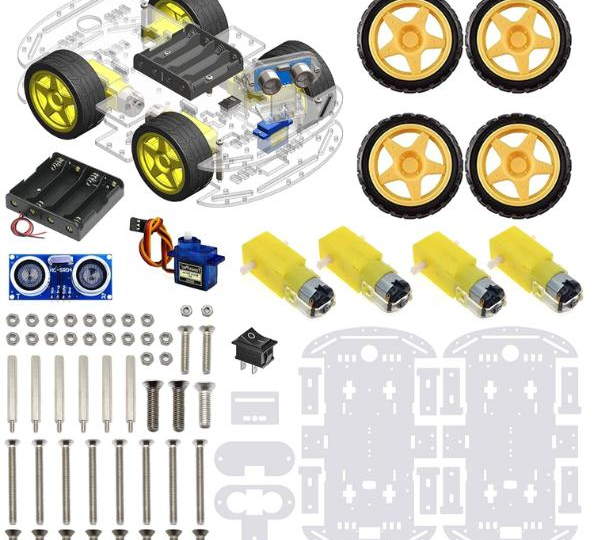
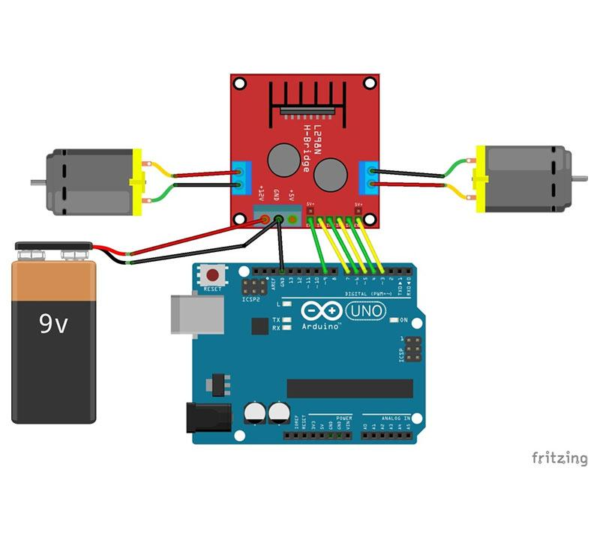
The following components are commonly used in an Obstacle avoidance robot.
Hardware Components
- Arduino Uno Board
- Ultrasonic Sensor (HC-SR04)
- Motor Driver Module
- DC Motors
- Robot Chassis
- Wheels
- Battery Pack
- Jumper Wires
- Breadboard
- Screws and Spacers
Software Requirements
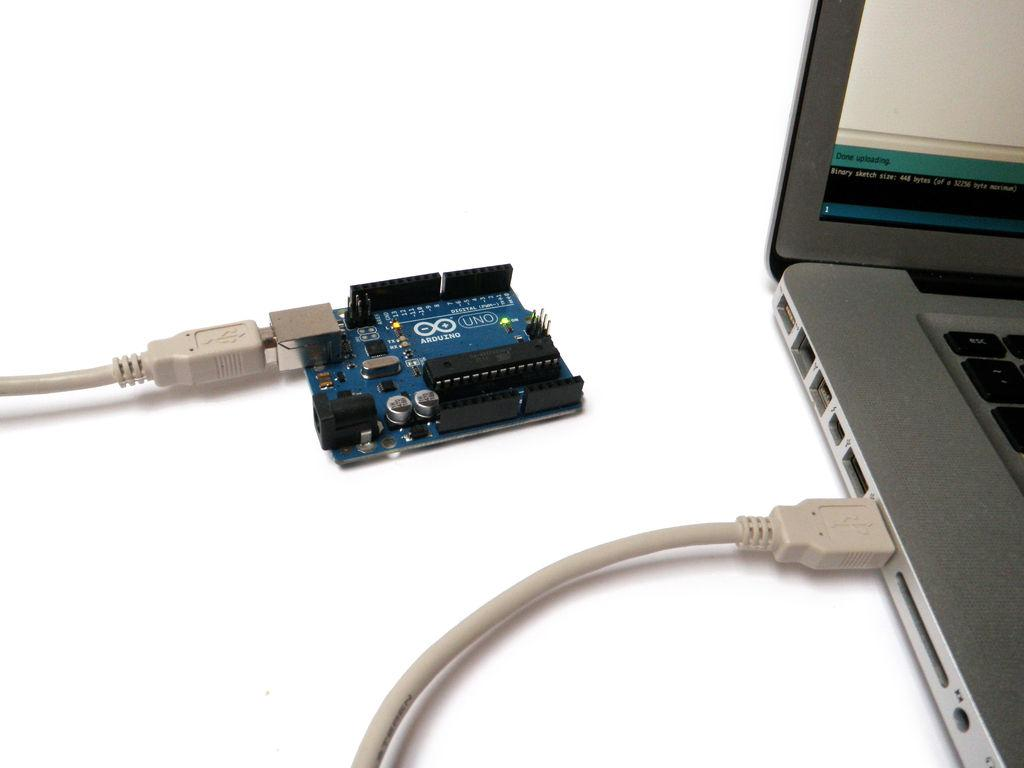
- Arduino IDE
- USB Programming Cable
Each component plays an important role in enabling the rover to detect obstacles and move safely through its environment.
Understanding the Working of an Obstacle Avoiding Rover Project
The working principle of the Obstacle Avoiding Rover Project is based on distance measurement.
Distance Detection
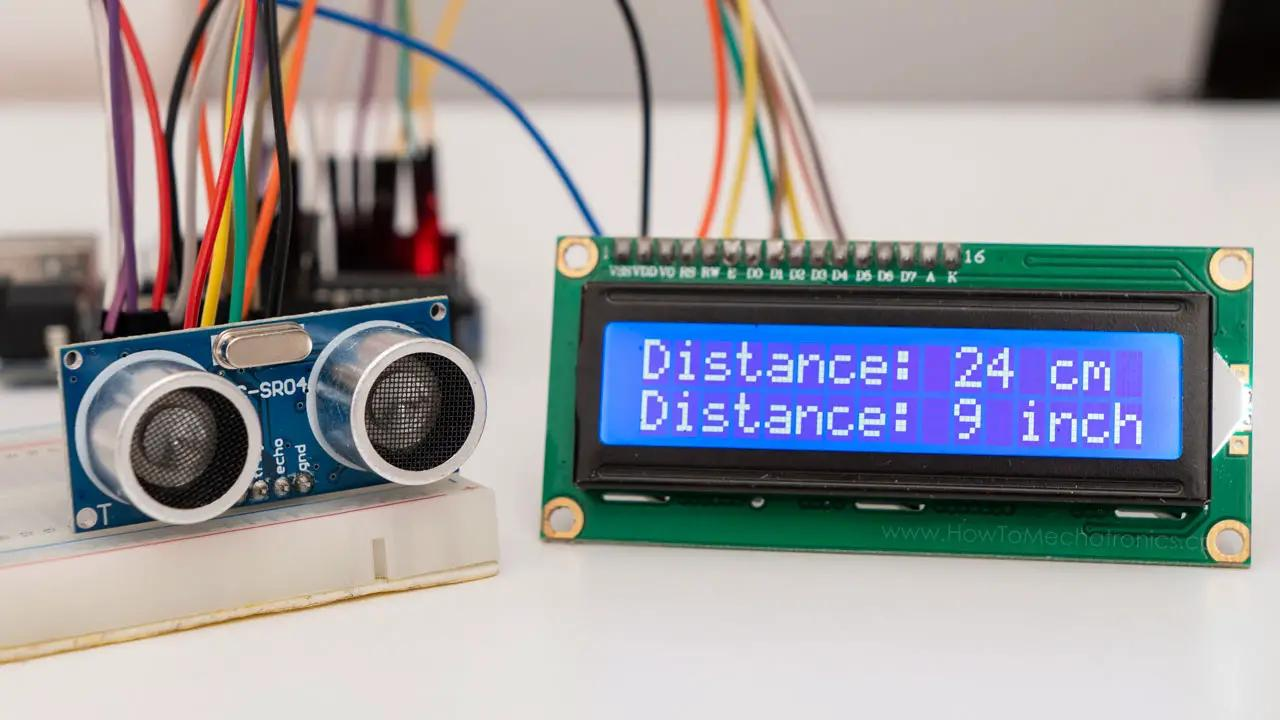
The ultrasonic sensor sends ultrasonic waves toward an object. These waves bounce back after hitting the object and return to the sensor.
Distance Calculation
The Arduino calculates the distance based on the time taken for the wave to travel and return.
Decision Making
If the detected distance is greater than the safety threshold, the rover continues moving forward.
If the detected distance is less than approximately 30 centimeters, the rover:
- Stops immediately
- Moves backward
- Changes direction
- Continues moving after avoiding the obstacle
This creates a simple autonomous navigation system.
Arduino Programming in Grade 8 STEM Activities
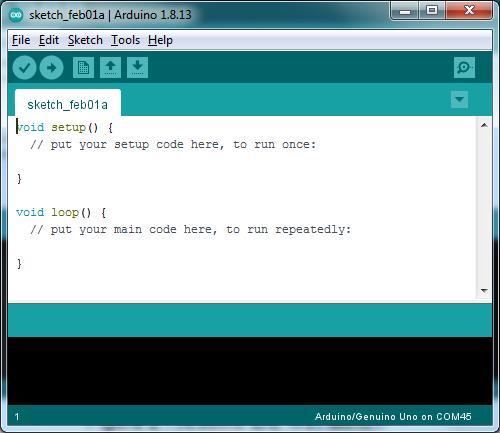
Programming is one of the most important aspects of Grade 8 STEM Activities. In this project, Arduino serves as the brain of the robot.
The code performs several important tasks:
Reading Sensor Data
The ultrasonic sensor continuously provides distance information to the Arduino.
Processing Information
The Arduino evaluates whether an obstacle is nearby.
Motor Control
Based on the sensor readings, the Arduino sends commands to the motor driver to control movement.
Students learn valuable programming concepts such as:
- Variables
- Conditional Statements
- Functions
- Loops
- Sensor Integration
These concepts provide a strong foundation for future coding and robotics projects.
Benefits of Learning Robotics Through Grade 8 STEM Activities
Robotics-based Grade 8 STEM Activities provide numerous educational benefits.
Enhances Critical Thinking
Students must analyze problems and find solutions when building and testing their rover.
Encourages Creativity
Every student can customize the rover design and functionality.
Builds Technical Skills
Students gain practical experience with:
- Electronics
- Sensors
- Programming
- Mechanical Assembly
Improves Teamwork
Many schools conduct robotics projects in groups, helping students develop collaboration and communication skills.
Prepares Students for Future Careers
Robotics, artificial intelligence, automation, and engineering are among the fastest-growing career fields worldwide.
Real-World Applications of Obstacle Avoiding Rover Projects
The concepts learned through the Obstacle Avoiding Rover Project are used in many real-world technologies.
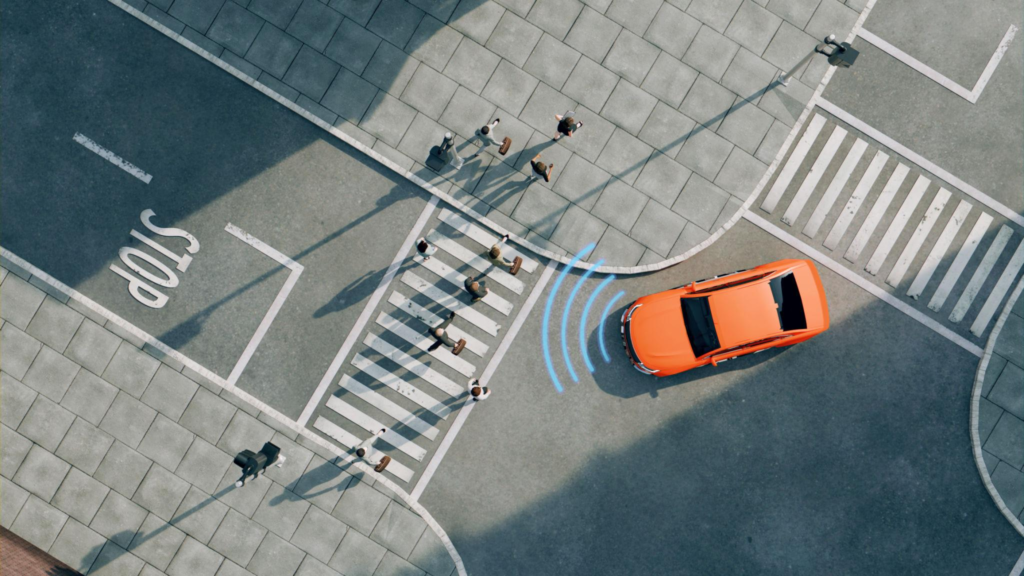
Self-Driving Vehicles
Autonomous cars use advanced sensors and obstacle detection systems to navigate roads safely.
Warehouse Automation
Robotic vehicles move goods through warehouses while avoiding obstacles and people.
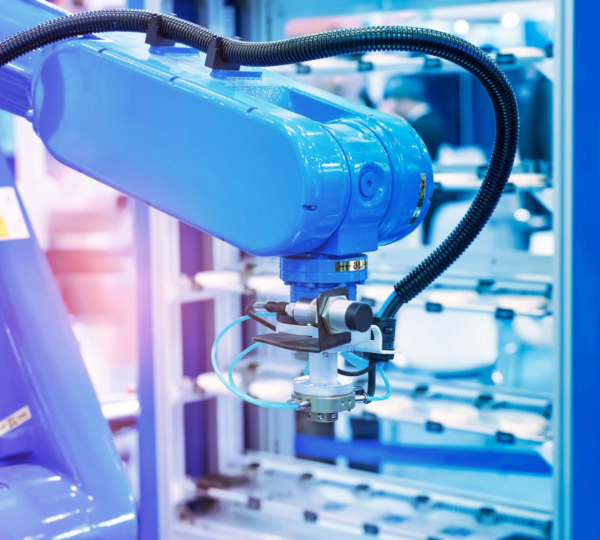
Industrial Robots
Manufacturing robots use sensors to perform tasks safely and efficiently.
Delivery Robots
Many companies are developing autonomous delivery systems using similar obstacle avoidance technologies.
Space Exploration
Planetary rovers use obstacle detection systems to navigate challenging terrain.
These applications help students understand how classroom learning connects to real-world innovation.
Why Schools Should Include Grade 8 STEM Activities in Robotics Education
Schools increasingly recognize the value of STEM education. Projects such as the Obstacle Avoiding Rover Project help bridge the gap between theory and practical application.
Benefits for schools include:
- Increased student engagement
- Improved problem-solving skills
- Better understanding of technology
- Enhanced creativity
- Development of innovation mindset
By incorporating Grade 8 STEM Activities into the curriculum, schools can prepare students for future academic and professional success.
RoboSiddhi STEM Learning Programs for Grade 8 Students
RoboSiddhi specializes in delivering engaging STEM and robotics programs designed to inspire young innovators.
Our programs focus on:
- Robotics Education
- Arduino Programming
- Electronics Projects
- AI and Automation Concepts
- Hands-On STEM Learning
Students participating in RoboSiddhi programs gain practical experience through exciting projects like the Obstacle Avoiding Rover Project, helping them develop confidence and technical skills.
Our mission is to make technology education accessible, engaging, and future-ready for every learner.
Future Enhancements for the Obstacle Avoiding Rover Project
Once students complete the basic rover, they can explore advanced upgrades:
Bluetooth Control
Add wireless smartphone control.
Wi-Fi Connectivity
Monitor and control the rover remotely.
Line Following Functionality
Enable the rover to follow a predefined path.
AI-Based Object Recognition
Use cameras and machine learning for intelligent navigation.
Multiple Sensor Integration
Combine ultrasonic, infrared, and light sensors for enhanced performance.
These upgrades help students continue learning beyond the basics.
Conclusion
The Obstacle Avoiding Rover Project is one of the most effective and engaging Grade 8 STEM Activities for introducing students to robotics, electronics, programming, and automation. By combining sensors, motors, Arduino programming, and engineering principles, students gain valuable hands-on experience while developing essential 21st-century skills.
Through projects like these, students learn not only how technology works but also how to think critically, solve problems creatively, and build innovative solutions. RoboSiddhi is proud to support STEM education by providing exciting learning opportunities that prepare students for the future of technology and innovation.
Whether used in schools, STEM labs, robotics clubs, or home learning environments, the Obstacle Avoiding Rover Project remains an outstanding example of practical STEM education in action.