
Introduction
Have you ever wondered if a light could turn on automatically when it gets dark and switch off when there is enough light? It may seem like a smart technology used only in modern cities, but it can be created easily using a simple electronic component called an LDR (Light Dependent Resistor).
In this project, we will build an Automatic Light Using LDR Sensor that detects the surrounding light intensity and controls an LED automatically. This project is perfect for beginners, school students, STEM learners, and anyone interested in electronics and automation.
Table of Contents
What is an LDR Sensor?
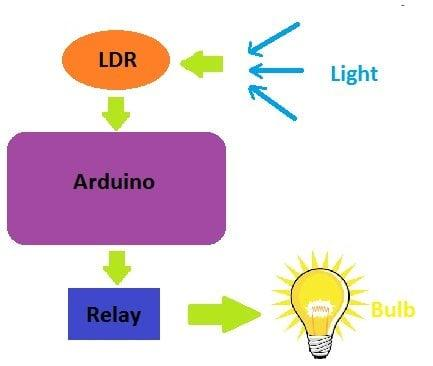
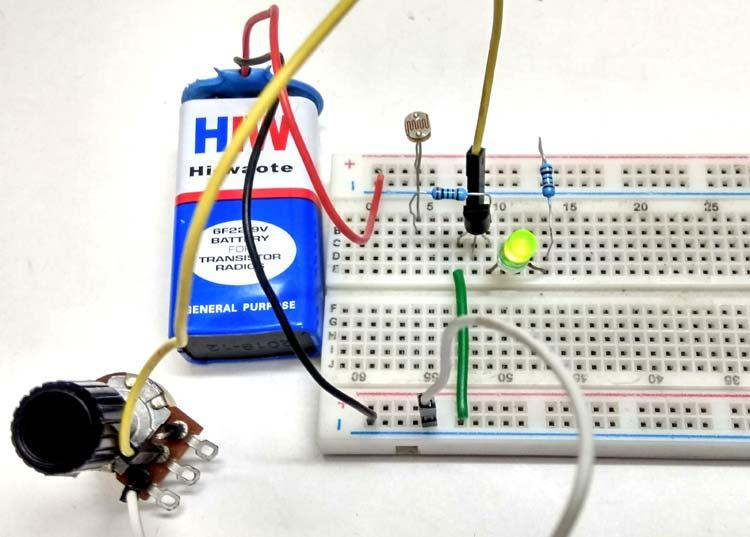
An LDR (Light Dependent Resistor) is a sensor whose resistance changes according to the amount of light falling on it.
- In bright light, the resistance of the LDR decreases.
- In darkness, the resistance of the LDR increases.
This property allows the sensor to detect day and night conditions and control electrical devices automatically.
Objective of the Project
The main objective of this project is to create an automatic lighting system that:
- Turns ON the LED when it becomes dark.
- Turns OFF the LED when sufficient light is available.
- Demonstrates the practical use of sensors in automation.
- Introduces students to real-world smart lighting applications.
Components Required for Automatic Light Using LDR Sensor
To build the Automatic Light Using LDR Sensor project, you will need:
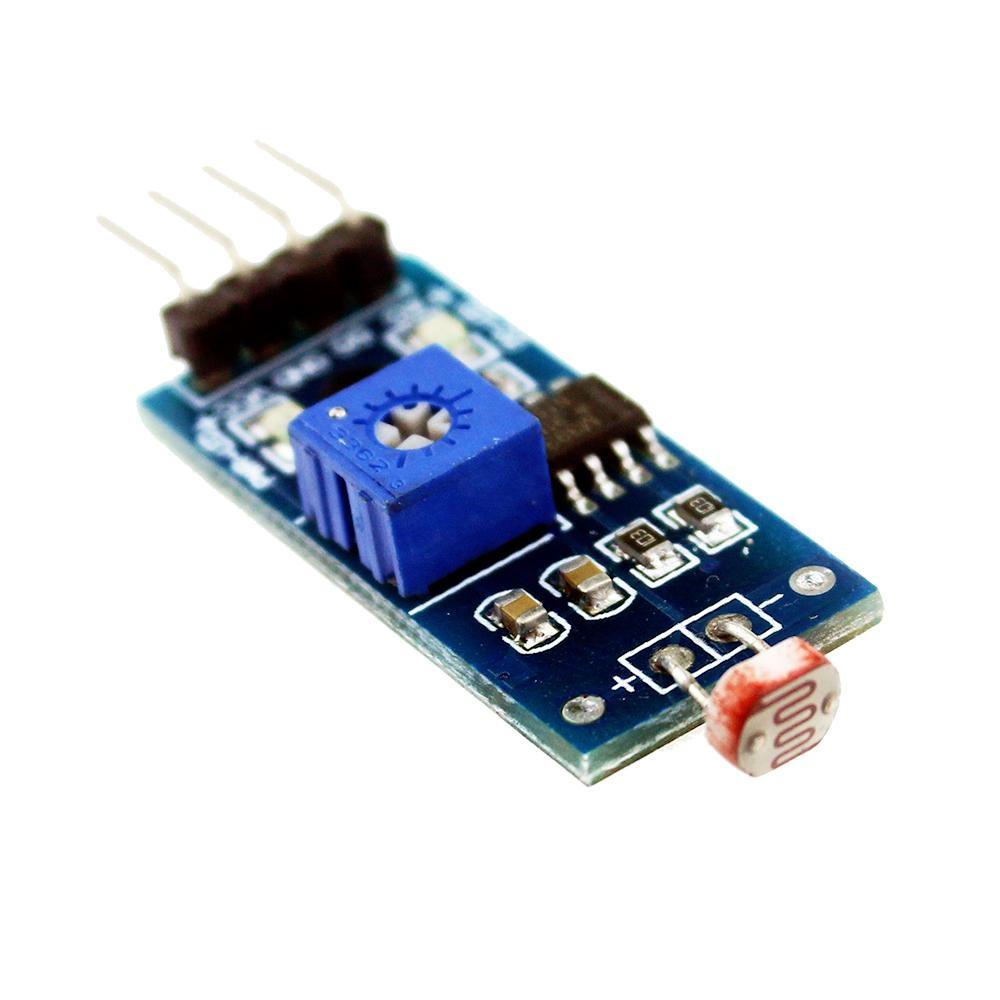
- LDR Sensor Module
- LED
- Resistor
- Breadboard
- Connecting Wires
- 9V Battery
- Battery Connector
These components are easily available and make the project simple and cost-effective.
Working Principle of Automatic Light Using LDR Sensor
The project works on the principle of light detection.
When the environment becomes dark:
- The LDR senses low light intensity.
- The sensor output changes.
- The LED automatically turns ON.
When light falls on the sensor:
- The LDR detects higher light intensity.
- The sensor output changes again.
- The LED turns OFF automatically.
This process happens continuously without any manual switching.
The Science Behind Automatic Light Using LDR Sensor LDR Sensor
To understand how this project works, it is important to know the science behind the Light Dependent Resistor (LDR).
An LDR is a special type of resistor whose resistance changes according to the amount of light falling on its surface. In bright environments, the resistance becomes very low, allowing electrical current to flow more easily. In dark environments, the resistance increases significantly, restricting the flow of current.
This unique property makes the LDR an excellent sensor for detecting day and night conditions. The sensor continuously monitors the surrounding light intensity and sends information to the circuit. Based on this information, the connected LED can be switched ON or OFF automatically.
The principle of an LDR is widely used in modern automation systems, smart homes, security devices, and energy-efficient lighting solutions. Understanding how an LDR works helps students connect theoretical science concepts with practical engineering applications.
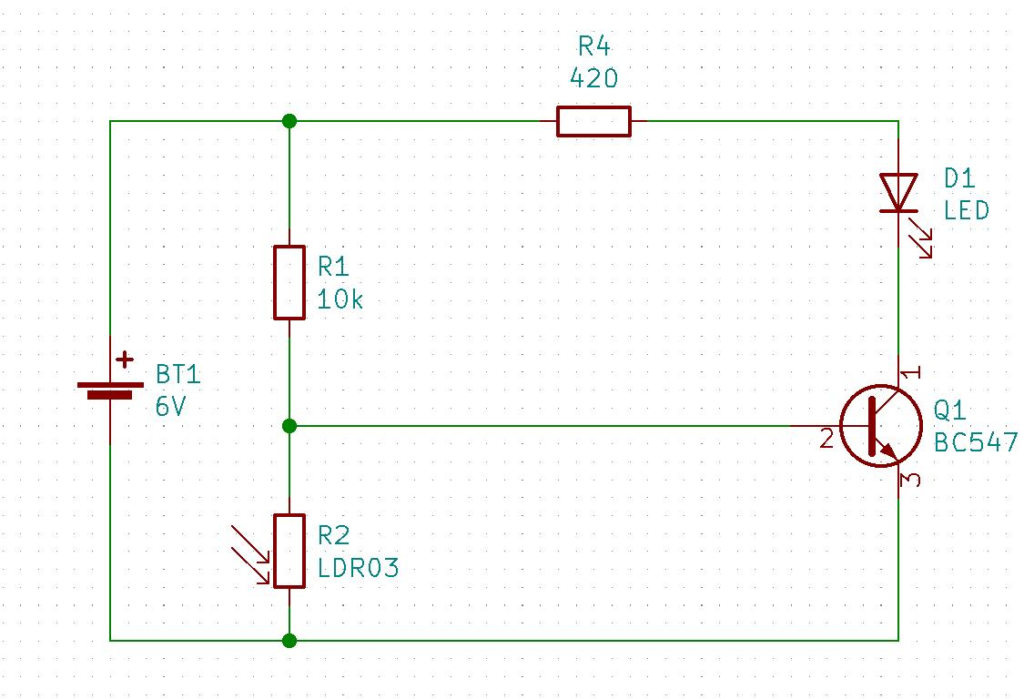
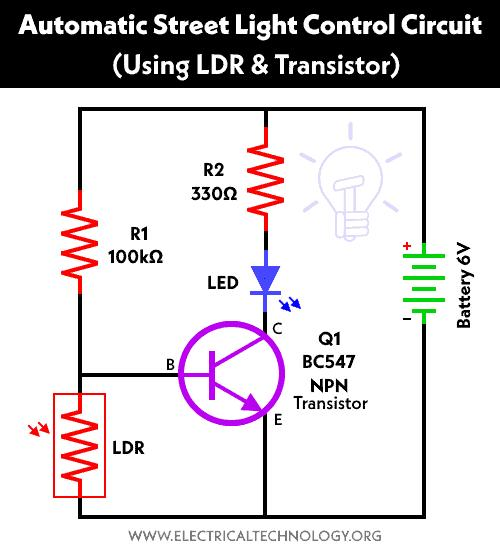
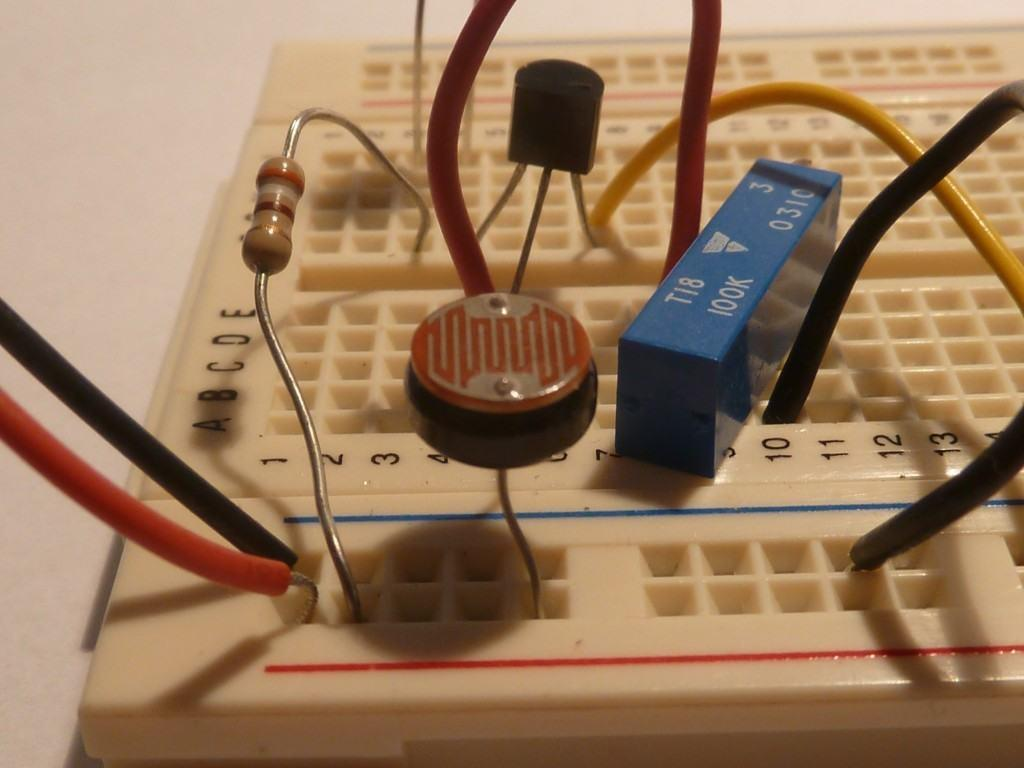
Circuit Connections
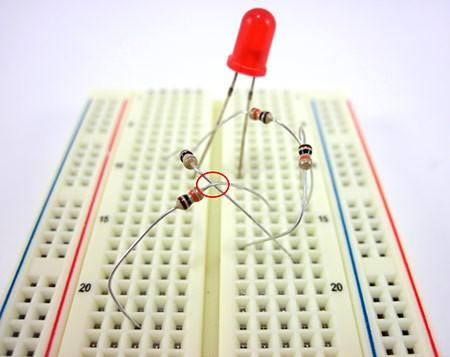
Follow these basic steps to assemble the circuit:
Step 1: Place the LDR Sensor
Insert the LDR sensor module onto the breadboard.
Step 2: Connect Power Supply
- Connect the VCC pin to the positive terminal of the battery.
- Connect the GND pin to the ground terminal.
Step 3: Connect the Output
Connect the sensor output pin (D0) to the LED circuit.
Step 4: Connect the LED
- Connect the longer leg (anode) of the LED to the positive connection.
- Connect the shorter leg (cathode) through a resistor to ground.
Step 5: Connect the Battery
Attach the 9V battery carefully to power the circuit.
After completing all connections, the automatic lighting system is ready for testing.
Testing the Project
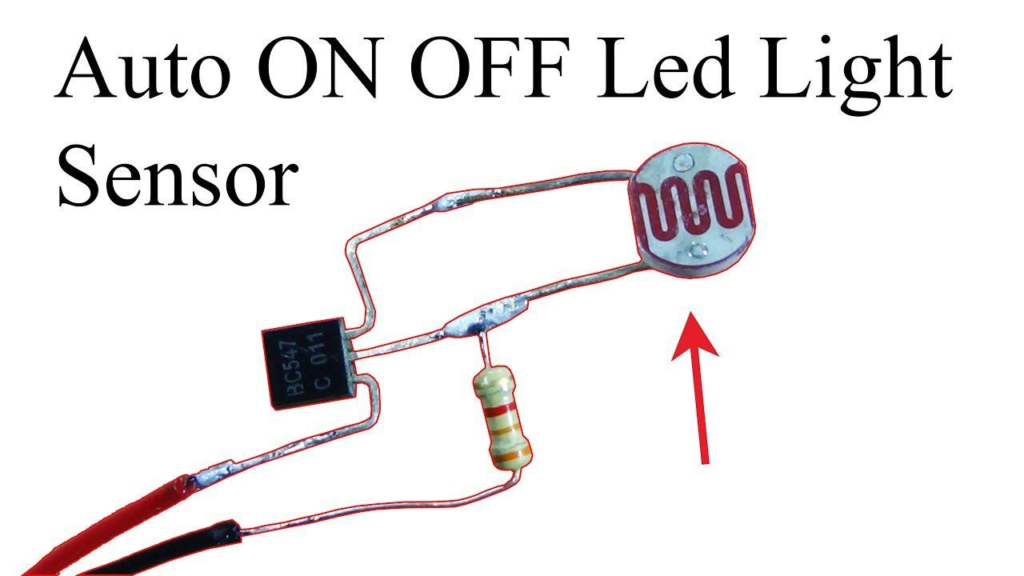
To test the circuit:
- Power the circuit using the battery.
- Observe the LED.
- Cover the LDR sensor with your hand.
Result:
- The LED should turn ON automatically.
Now shine a flashlight or mobile torch on the LDR sensor.
Result:
- The LED should turn OFF automatically.
This confirms that the sensor is successfully detecting light intensity and controlling the LED.
Importance of Automation in Everyday Life
Automation has become an essential part of modern society. Many tasks that previously required human intervention are now performed automatically using sensors and intelligent systems.
Some common examples include:
- Automatic street lights
- Motion sensor lights
- Automatic doors
- Smart irrigation systems
- Automatic water level controllers
- Smart home devices
The Automatic Light Using LDR Sensor project introduces students to the fundamentals of automation. It demonstrates how a simple sensor can make decisions based on environmental conditions without requiring manual control.
Automation not only improves convenience but also increases efficiency, reduces energy consumption, and enhances safety.
Real-Life Applications
LDR-based automatic lighting systems are widely used in everyday life.
Smart Street Lights
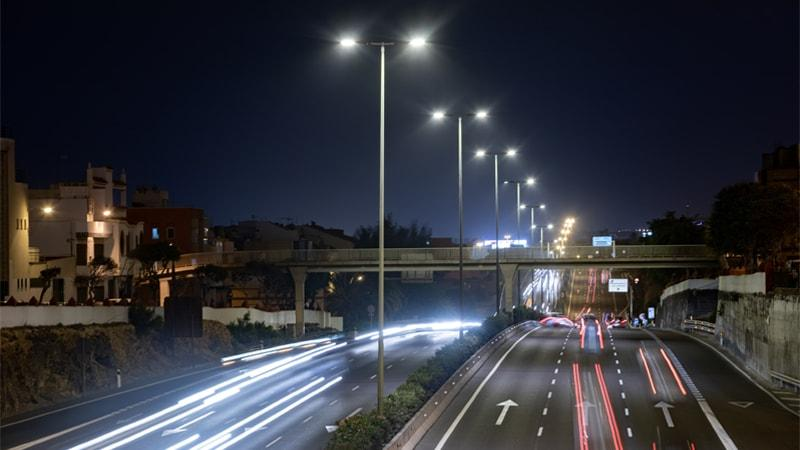
Modern street lights use LDR sensors to switch ON automatically during darkness and switch OFF during daylight.
Smart Cities
Automatic lighting systems help save energy and improve efficiency in smart city infrastructure.
Village Lighting Systems
Many villages use sensor-based lighting solutions to reduce electricity consumption.
Security Systems
LDR sensors are used in security and monitoring systems to detect light changes.
Home Automation
Automatic garden lights and porch lights commonly use LDR technology.
Energy Conservation Through Smart Lighting
Energy conservation is one of the biggest advantages of using sensor-based lighting systems.
Traditional lighting systems often remain ON unnecessarily due to human error. Lights may be left ON during daylight hours, resulting in wasted electricity and higher energy costs.
An LDR-based lighting system solves this problem by ensuring that lights operate only when required.
Benefits include:
- Reduced electricity consumption
- Lower operational costs
- Improved energy efficiency
- Environmentally friendly operation
- Reduced carbon footprint
Many governments and municipalities are adopting sensor-based street lighting systems as part of smart city initiatives to promote sustainable development.
Timer-Based Lighting vs LDR-Based Lighting
| Feature | Timer-Based Lighting | LDR-Based Lighting |
|---|---|---|
| Activation Method | Fixed Time | Ambient Light Detection |
| Weather Response | No | Yes |
| Energy Efficiency | Moderate | High |
| Automation Level | Limited | Smart |
| Reliability | Time Dependent | Condition Dependent |
Unlike timer-based systems, LDR-based systems can react to sudden darkness caused by rain, clouds, storms, or bad weather conditions.
Advantages of Using an Automatic Light Using LDR Sensor
- Automatic operation
- Energy-efficient solution
- Low cost
- Easy to build
- Suitable for beginners
- Reliable performance
- Real-world industrial applications
Educational Benefits
This project helps students learn:
- Basic electronics
- Sensor technology
- Circuit design
- Automation concepts
- Smart city technologies
- Problem-solving skills
It is an excellent STEM and robotics activity for school students.
Applications in Smart Cities
Smart cities use advanced technologies to improve infrastructure, transportation, energy management, and public services.
LDR sensors play an important role in smart city lighting systems. Instead of operating on fixed schedules, modern streetlights can respond dynamically to changing environmental conditions.
For example:
- Streetlights turn ON automatically during cloudy weather.
- Lights activate earlier during storms or heavy rain.
- Energy is saved during bright daylight conditions.
- Maintenance costs are reduced through efficient operation.
Such intelligent systems help cities become safer, greener, and more sustainable.
Grade 7 STEM Activities Using LDR Sensors
The Automatic Light Using LDR Sensor project is one of the most engaging Grade 7 STEM activities because it combines science, technology, engineering, and mathematics in a practical way.
Grade 7 students can explore concepts such as:
1. Automatic Night Lamp
Students can create a night lamp that automatically turns ON when the room becomes dark and switches OFF during the day.
2. Smart Street Light Model
A miniature smart city model can be developed where streetlights operate automatically using LDR sensors.
3. Energy Saving Home System
Students can design a prototype home where lights operate automatically based on surrounding light conditions.
4. Weather-Based Lighting System
The project can be extended to demonstrate how lighting systems react during cloudy or rainy weather.
These activities make STEM education more engaging while helping students understand the importance of automation and sustainability.
RoboSiddhi STEM and Robotics Learning
At RoboSiddhi, students are encouraged to learn through hands-on STEM and robotics activities that develop creativity, innovation, and critical thinking skills.
Projects like the Automatic Light Using LDR Sensor introduce learners to:
- Sensor technology
- Electronics fundamentals
- Engineering design processes
- Real-world problem solving
- Smart automation systems
RoboSiddhi’s STEM programs are designed to help students move beyond theoretical learning and gain practical experience through project-based education.
By building and experimenting with working prototypes, students develop confidence in science and technology while preparing for future careers in engineering, robotics, artificial intelligence, and innovation.
Future Enhancements of the Project
Once students understand the basic Automatic Light Using LDR Sensor project, they can add advanced features to improve functionality.
Possible upgrades include:
Automatic Street Light with Arduino
Students can use a microcontroller to create more intelligent lighting systems.
Solar-Powered Lighting System
A solar panel can be added to make the project environmentally friendly.
Motion Detection Integration
Combining an LDR sensor with a motion sensor can further improve energy efficiency.
IoT-Based Smart Lighting
Using Wi-Fi modules, students can monitor and control lights remotely through smartphones.
These advanced projects demonstrate how simple ideas can evolve into sophisticated engineering solutions.
Why This Project is Ideal for STEM Education
The Automatic Light Using LDR Sensor project perfectly represents STEM education because it integrates multiple disciplines into one activity.
Science concepts help students understand light and resistance.
Technology introduces the use of sensors.
Engineering focuses on designing and assembling the circuit.
Mathematics can be used to analyze electrical values and energy consumption.
This interdisciplinary learning approach helps students understand how different subjects work together to solve real-world challenges.
Projects like this inspire curiosity, creativity, and innovation while making learning more enjoyable and meaningful.
RoboSiddhi STEM and Robotics Learning
At RoboSiddhi, students are encouraged to learn through hands-on STEM and robotics activities that develop creativity, innovation, and critical thinking skills.
Projects like the Automatic Light Using LDR Sensor introduce learners to:
- Sensor technology
- Electronics fundamentals
- Engineering design processes
- Real-world problem solving
- Smart automation systems
RoboSiddhi’s STEM programs are designed to help students move beyond theoretical learning and gain practical experience through project-based education.
By building and experimenting with working prototypes, students develop confidence in science and technology while preparing for future careers in engineering, robotics, artificial intelligence, and innovation.
Conclusion
The Automatic Light Using LDR Sensor project is a simple yet powerful demonstration of how sensors can automate everyday tasks. By detecting ambient light levels, the system intelligently controls an LED without requiring manual intervention.
This technology is widely used in smart street lighting, home automation, and energy-saving systems. Through this project, students gain practical experience with electronics while understanding how engineering solutions improve daily life.
The project proves that even simple components like an LDR sensor can be used to create smart and efficient systems that make our world more automated and convenient.