
Learn Grade 4 STEM activities with Virtual Reality (VR) technology. Explore VR headsets, 3D digital worlds, immersive learning, educational technology, and fun STEM learning for kids.
Grade 4 STEM Activities: Exploring Virtual Reality (VR)
Technology is changing the way children learn, play, and explore the world. In this exciting Grade 4 STEM Activities lesson, students discover the amazing world of Virtual Reality (VR) and learn how digital technology can create immersive 3D experiences.
This beginner-friendly STEM topic introduces children to:
- Virtual Reality (VR)
- 3D digital environments
- VR headsets
- Smartphone-based VR systems
- Interactive learning technology
- Educational applications of VR
- Future technology concepts
Virtual Reality helps children experience places and situations that may not be possible in real life.
What is Virtual Reality (VR)?
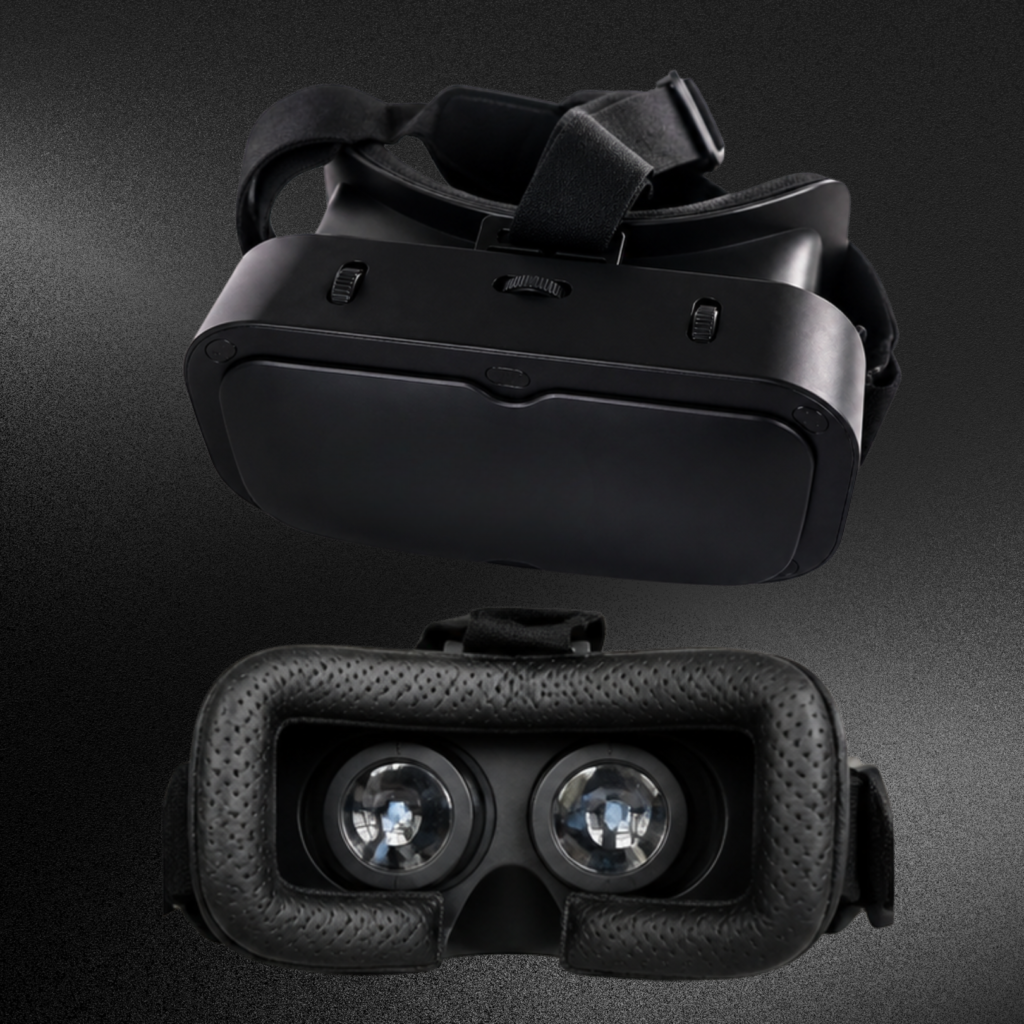
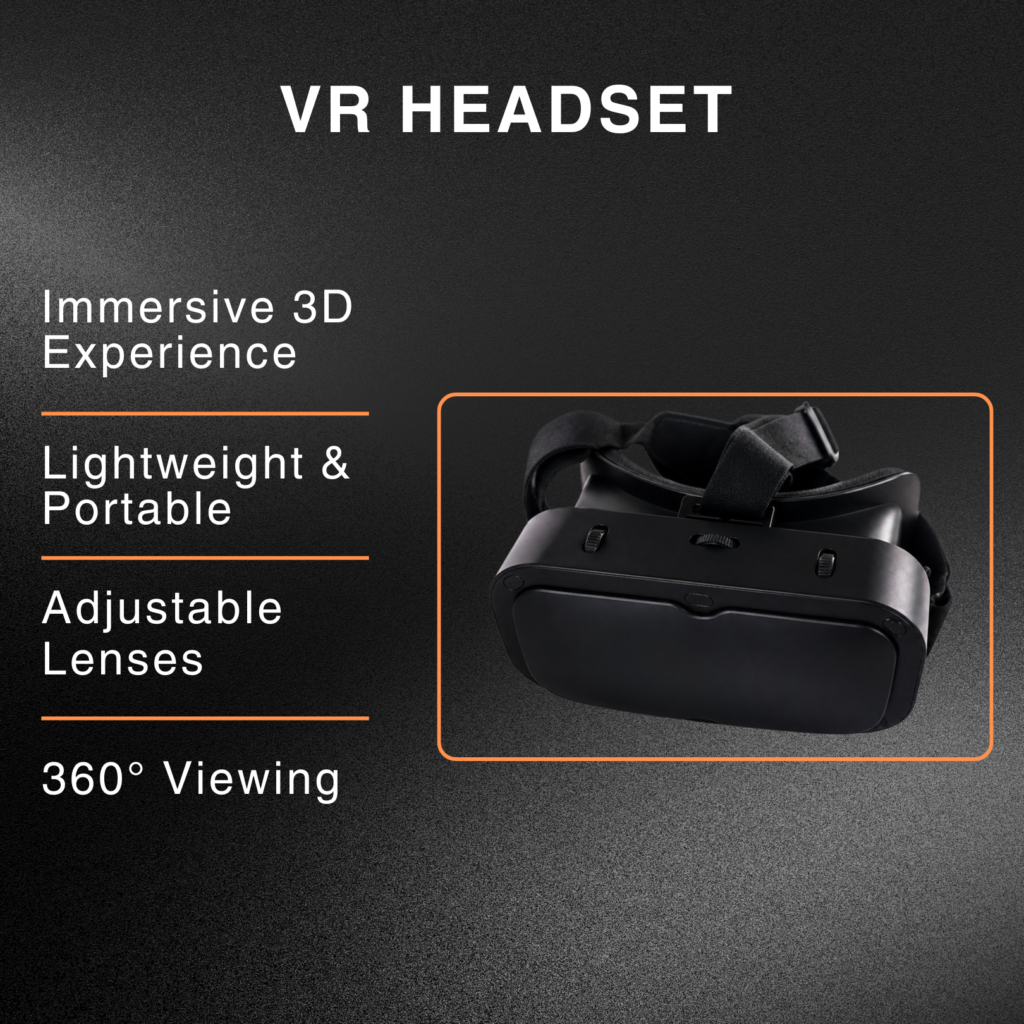
Virtual Reality (VR) is a technology that creates a computer-generated 3D environment where users feel like they are inside a different world.
Using a VR headset, people can:
- Explore virtual places
- Watch 3D environments
- Interact with digital objects
- Experience simulations
VR creates an immersive experience that feels realistic and exciting.
Understanding VR Through a Simple Example
The lesson explains VR using a fun example inspired by cartoons like Doraemon.
In the story, characters travel back to the dinosaur age using a time machine. While real time travel is not possible, VR technology can create a similar digital experience.
With VR, students can:
- Visit ancient worlds
- Explore dinosaur environments
- Experience space travel simulations
- Learn history interactively
This makes learning more fun and engaging.
How Does Virtual Reality Work?
VR works using a combination of:
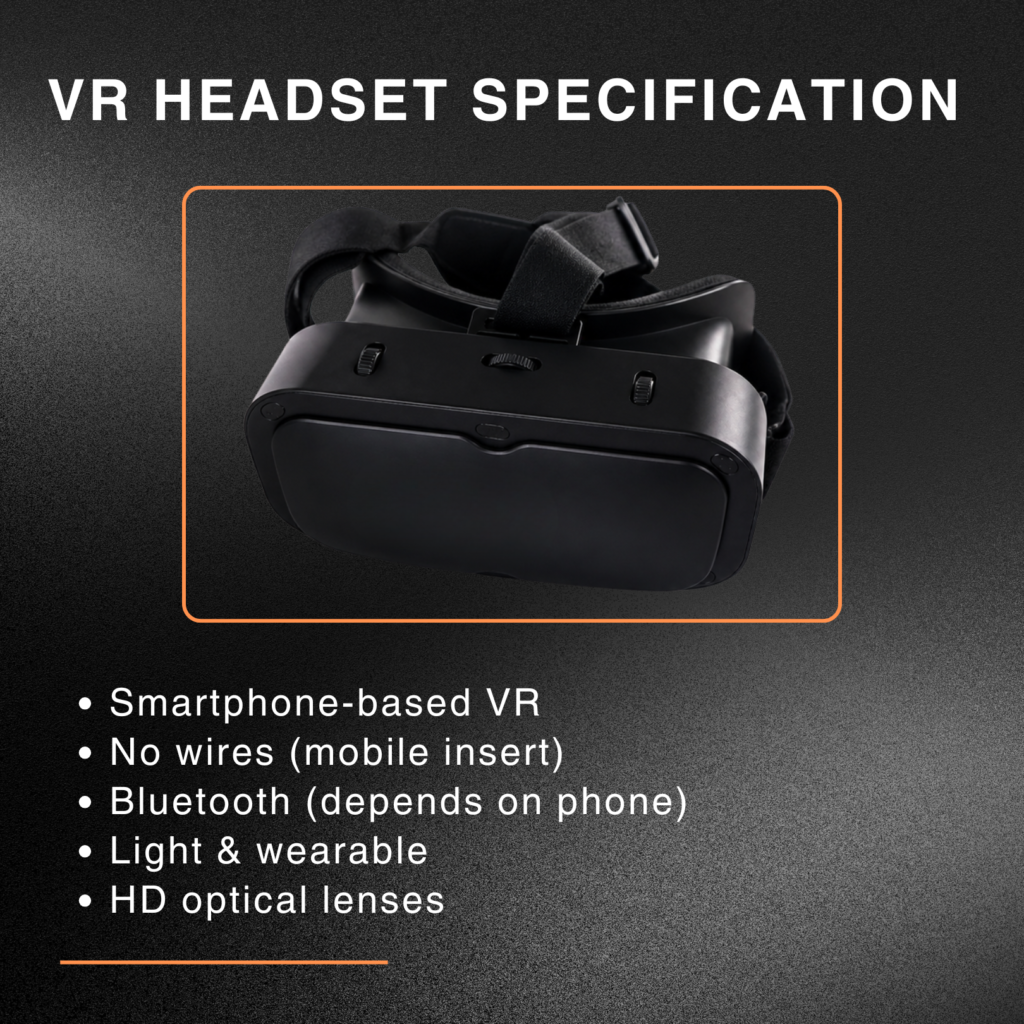
- A VR headset
- A smartphone or display device
- 3D digital content
The smartphone is attached to the VR headset, and the headset displays immersive 3D visuals to the user.
When students wear the headset, they feel as if they are inside the virtual environment.
Components Used in VR
| Component | Purpose |
|---|---|
| VR Headset | Displays the virtual world |
| Smartphone | Runs VR applications |
| 3D Content | Creates immersive environments |
| Sensors | Track head movement |
These components work together to create realistic virtual experiences.
What is a 3D Digital World?
A 3D Digital World is a computer-generated environment that looks realistic and interactive.
In VR environments, users can:
- Look around in every direction
- Move through virtual spaces
- Observe objects closely
- Feel immersed inside the digital scene
This technology helps create engaging educational experiences for children.
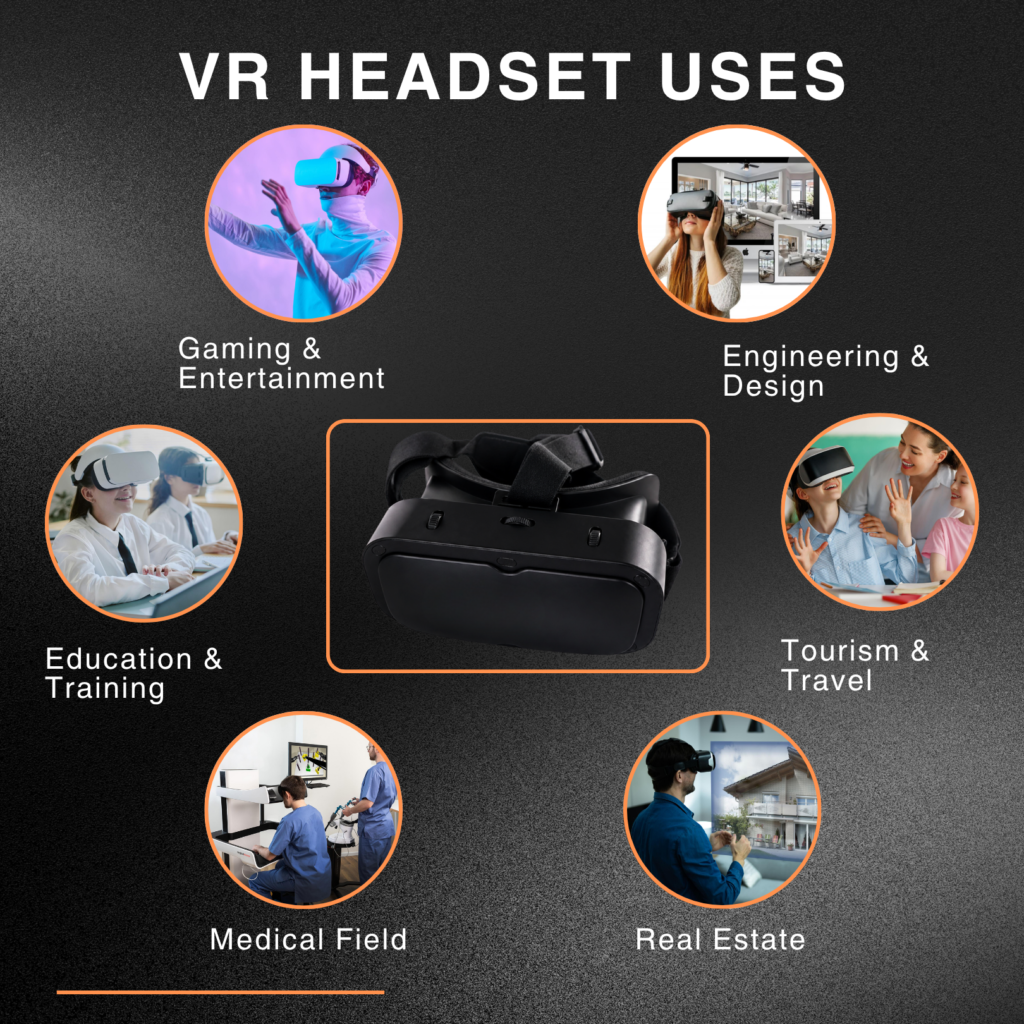
Applications of Virtual Reality
Virtual Reality is used in many industries around the world.
Education
Students can explore science, history, geography, and space using immersive virtual lessons.
Medical Training
Doctors and medical students use VR simulations for training and practice.
Gaming and Entertainment
VR games create interactive experiences for players.
Architecture and Design
Designers use VR to visualize buildings and interiors.
Space and Science Exploration
Scientists use VR simulations for research and training.
Benefits of VR in STEM Education
Virtual Reality makes STEM learning more interactive and exciting.
Improves Learning Experience
Students understand concepts better through visual interaction.
Encourages Creativity
Children can explore imaginative worlds and simulations.
Makes Difficult Topics Easier
Complex scientific ideas become easier to understand visually.
Increases Student Engagement
Interactive learning keeps students interested and motivated.
STEM Concepts Learned Through VR
This Grade 4 STEM activity introduces students to:
- Digital technology
- 3D visualization
- Interactive systems
- Computer-generated environments
- Future technologies
- Educational innovation
Students also learn how technology can solve real-world challenges.
Real-Life Examples of VR Technology
Many industries already use VR technology today.
Schools and STEM Labs
Students learn science and technology using immersive simulations.
Pilot Training
Pilots practice flying using VR simulators.
Hospitals
Doctors use VR for surgical training and patient therapy.
Museums and Tourism
Visitors can explore virtual tours of historical places.
RoboSiddhi – Supporting STEM and Robotics Education
RoboSiddhi provides robotics kits, sensors, STEM learning tools, coding boards, and educational electronics products for students and schools.
Students can explore:
- Robot kits
- Flame sensors
- Coding boards
- STEM learning materials
- DIY robotics projects
- Electronics components
RoboSiddhi helps children learn robotics through creative hands-on STEM education.
Grade 4 STEM Activities: Safety Tips for Using VR
While using VR technology:
- Use VR for limited time periods
- Sit or stand in a safe open area
- Take breaks regularly
- Avoid running while wearing VR headsets
- Use adult supervision for younger children
Safe technology use is important during STEM learning activities.
Final Thoughts
This Grade 4 STEM Activities Virtual Reality Project introduces children to the exciting world of immersive technology and digital learning.
By exploring VR headsets and 3D digital environments, students learn how modern technology creates interactive experiences for education, science, and entertainment.
Hands-on STEM learning with emerging technologies like VR encourages creativity, innovation, and curiosity while preparing children for the future of digital education and robotics.