
Discover fun Grade 3 STEM activities with this simple lever science experiment for kids. Learn how levers work using a ruler, pencil, and small objects through hands-on STEM learning.
Grade 3 STEM Activities: Simple Lever Science Experiment for Kids
Grade 3 STEM activities help children learn science and engineering through fun and practical experiments. STEM stands for Science, Technology, Engineering, and Mathematics, and these activities encourage kids to explore, build, and understand how things work in everyday life.
In this exciting Grade 3 STEM activities project, children learn about levers, one of the most important simple machines. Through a fun story about a student named Riya, kids discover how levers help lift heavy objects with less effort.
This hands-on STEM activity makes learning easy, interactive, and enjoyable for young learners.
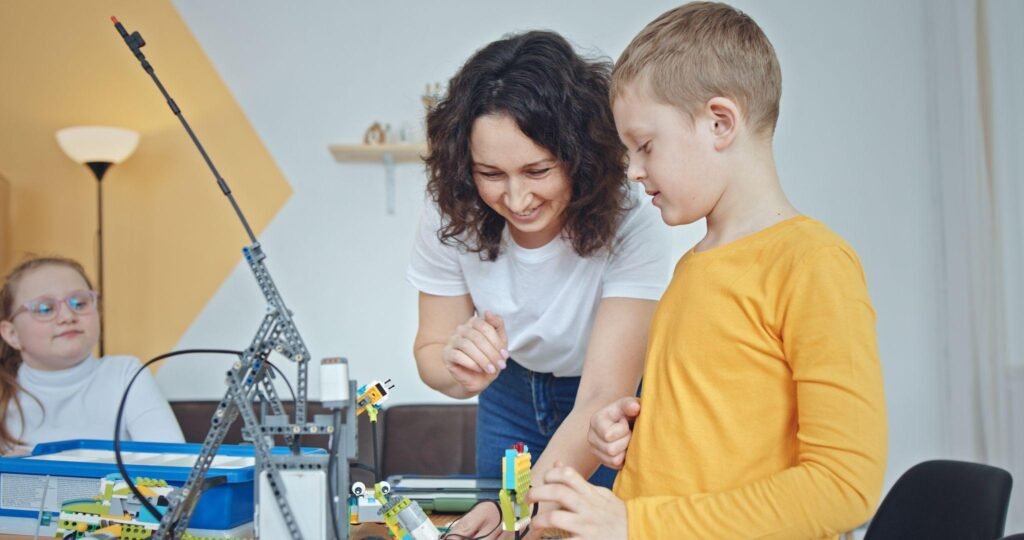
What is a Lever?
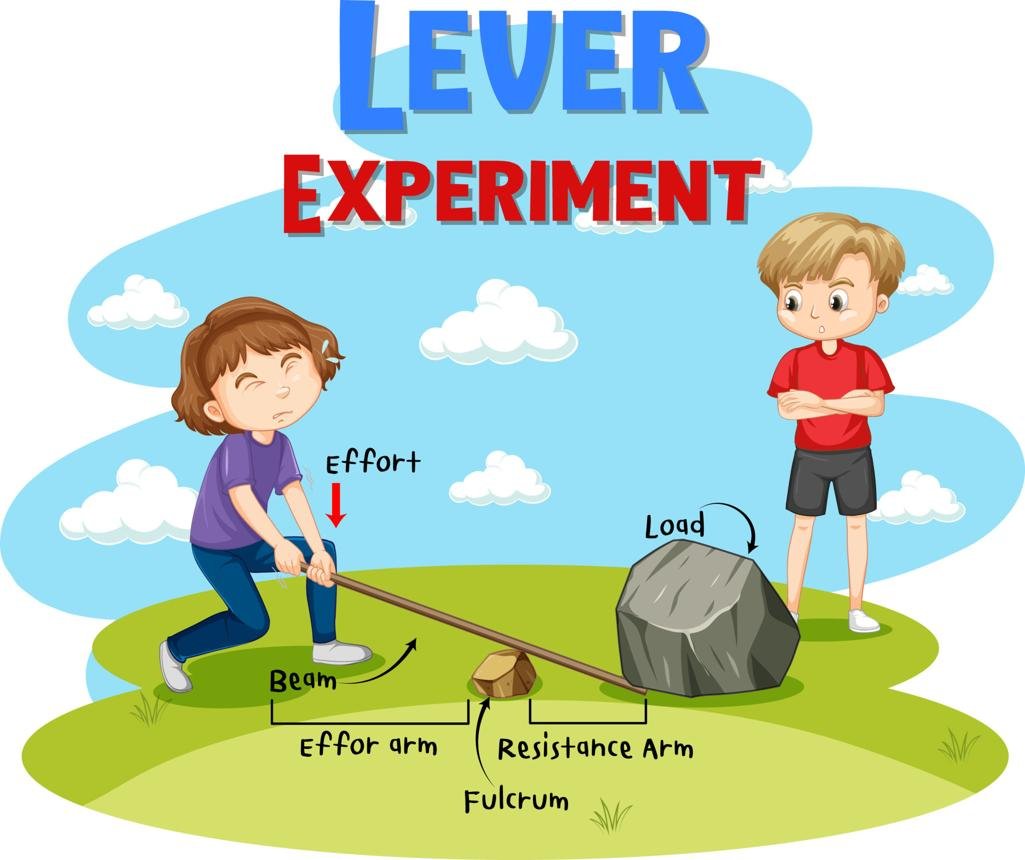
A lever is a simple machine that helps people move or lift heavy objects more easily.
A lever works using:
- A rigid bar
- A fulcrum (pivot point)
- Force applied on one side
Levers help reduce effort and make work easier in daily life.
Learning about levers is an important part of Grade 3 STEM activities because it introduces children to basic engineering and physics concepts.
Materials Needed for the Lever Experiment
This Grade 3 STEM activities project uses simple household materials that are easy to find.
Materials List
- A ruler or scale
- A pencil
- A small book or eraser
These simple materials make the experiment affordable and easy for children at home or in school.
How to Perform the Lever Experiment
Step 1: Place the Pencil
Put the pencil on a flat surface.
The pencil acts as the fulcrum of the lever.
Step 2: Balance the Ruler
Place the ruler carefully on top of the pencil.
The ruler becomes the lever in this experiment.
Step 3: Add the Object
Place the small book or eraser on one side of the ruler.
Step 4: Apply Force
Gently press down on the opposite side of the ruler.
You will notice that the object lifts easily with less effort.
Science Behind the Lever Experiment
This Grade 3 STEM activities project teaches children about mechanical advantage and simple machines.
A lever helps increase force by changing the distance over which effort is applied.
F1d1=F2d2F_1 d_1 = F_2 d_2F1d1=F2d2
This simple equation explains how levers balance force and distance to make lifting objects easier.
Children learn that science concepts become easier to understand through practical experiments.
Real-Life Examples of Levers
Levers are used in many everyday objects and tools.
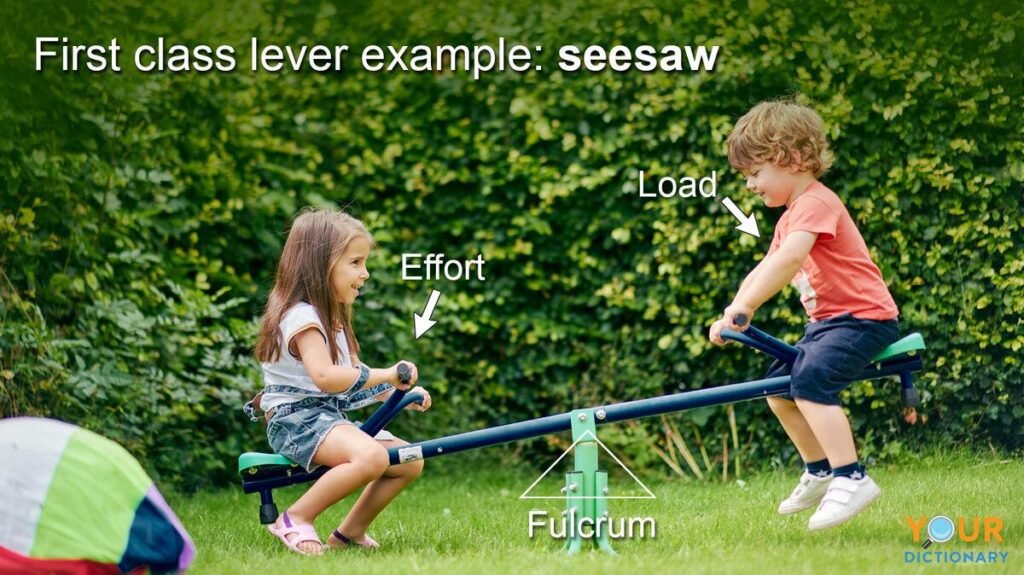
See-Saws
Playground see-saws use the lever principle.
Bottle Openers
Bottle openers help remove caps with less effort.
Crowbars
Crowbars help lift or open heavy objects easily.
Scissors
Scissors work using lever mechanics to cut materials efficiently.
STEM Learning Benefits
This Grade 3 STEM activities project helps children:
- Understand simple machines
- Improve observation skills
- Explore engineering concepts
- Build curiosity and creativity
- Learn science through practical activities
Hands-on STEM learning makes education more fun and memorable for young learners.
RoboSiddhi – Helping Kids Learn STEM and Robotics
Today, STEM education and robotics learning are becoming very important for children because practical learning helps students understand science and technology better.
RoboSiddhi is a STEM and robotics learning platform that provides:
- Robotics kits
- STEM activity materials
- Electronics components
- DIY science project tools
- Beginner robotics learning kits
- Sensors, motors, LEDs, and batteries
- Explore STEM activities
- Learn robotics and electronics
- Build science projects
- Improve creativity and innovation
- Develop problem-solving skills
Students can easily find useful raw materials and beginner learning kits for Grade 3 STEM activities and school science projects.
Why Robotics Labs Are Important in Schools
Robotics labs are becoming important in schools because children learn better through practical activities instead of only reading textbooks.
A robotics lab helps students:
Improve logical thinking
Build creativity and innovation
Learn teamwork and communication
Understand science practically
Develop engineering skills
Hands-on STEM learning encourages children to explore technology and become future innovators.
Robotics education also prepares students for future careers in:
Robotics
Engineering
Artificial Intelligence
Technology
Computer Science
Try This STEM Activity at Home
Children can perform this simple lever experiment:
- At home
- In classrooms
- During school STEM activities
This project encourages children to explore science using simple objects found around them.
Watch the Full Lever STEM Experiment Video
Watch the complete Grade 3 STEM activities lever experiment here:
Simple Lever Science Experiment Video
This video explains how levers work using simple household materials like a ruler, pencil, and small objects. It helps children understand how simple machines reduce effort and make lifting objects easier.
Final Thoughts
Grade 3 STEM activities help children become curious learners and creative thinkers. This simple lever science experiment teaches kids how levers work and how they help make everyday tasks easier.
Using only a ruler, pencil, and small object, children can explore important science and engineering concepts through fun practical learning.