
Have you ever wondered how a light switch turns on a bulb, how your mobile phone plays sounds, or how a computer processes information so quickly? The answer lies in electronic components. These tiny parts work together to make every electronic device around us function properly.
In this lesson from RoboSiddhi, we will explore five essential electronic components that every beginner should know: Switch, Buzzer, Capacitor, Diode, and Transistor. By understanding these components, students can take their first step into the exciting world of electronics, robotics, and STEM learning.
Table of Contents
What Are Electronic Components?
Electronic components are the building blocks of electronic circuits. Just like LEGO blocks can be combined to create different structures, electronic components can be connected together to create useful devices and gadgets.
Each component has a unique function and plays a specific role in controlling electricity.
1. Switch – The Gatekeeper of Electricity
A switch is a device used to turn the flow of electricity ON or OFF.
Think of a switch as a gatekeeper. When the gate is open, electricity can flow through the circuit. When the gate is closed, electricity stops flowing.
Common Examples of Switches
- Light switches
- Fan switches
- Torch buttons
- Power buttons on devices
Why Is a Switch Important?
Without switches, electronic devices would remain ON all the time. Switches help us control electronic circuits conveniently and save energy.
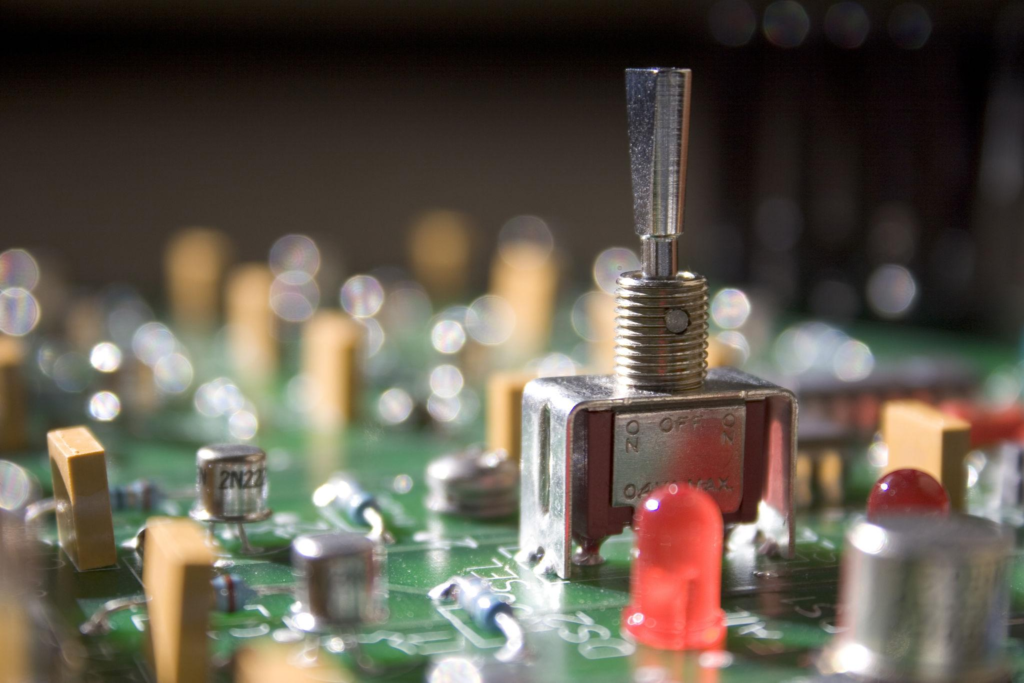
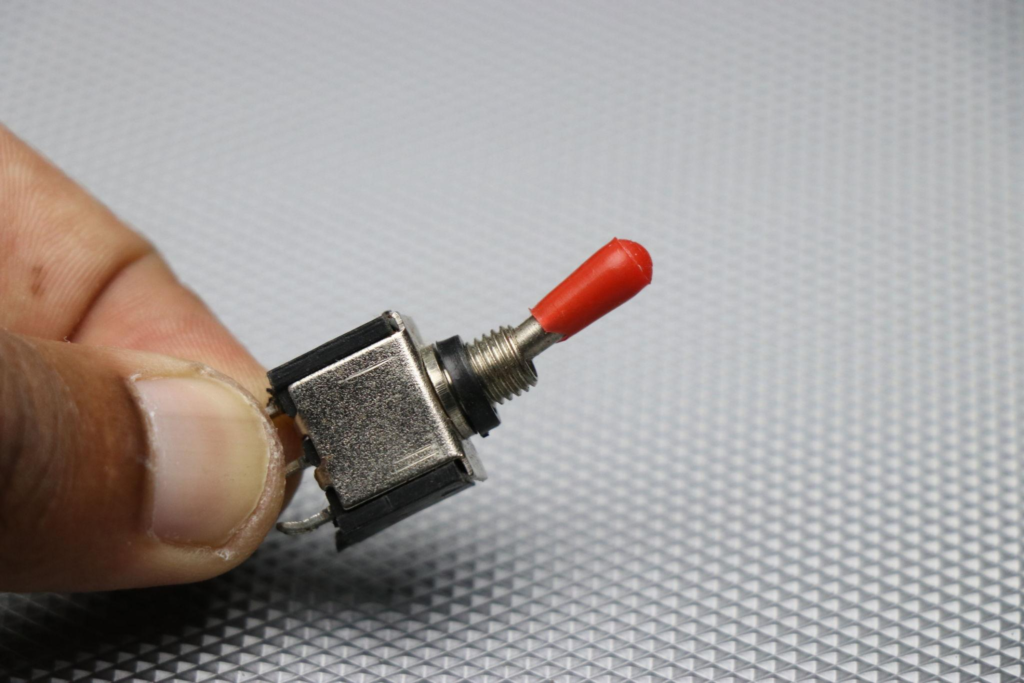
A toggle switch acts as a gatekeeper for electricity, allowing users to turn electronic circuits ON or OFF.
2. Buzzer – The Sound Maker
A buzzer is an electronic component that produces sound when electricity flows through it.
It works like an electronic bell or alarm system and is used whenever a device needs to alert us.
Common Uses of Buzzers
- Doorbells
- School bells
- Microwave ovens
- Alarm systems
- Electronic toys
Why Is a Buzzer Important?
Buzzers provide sound alerts, notifications, and warnings, helping users interact with electronic devices.
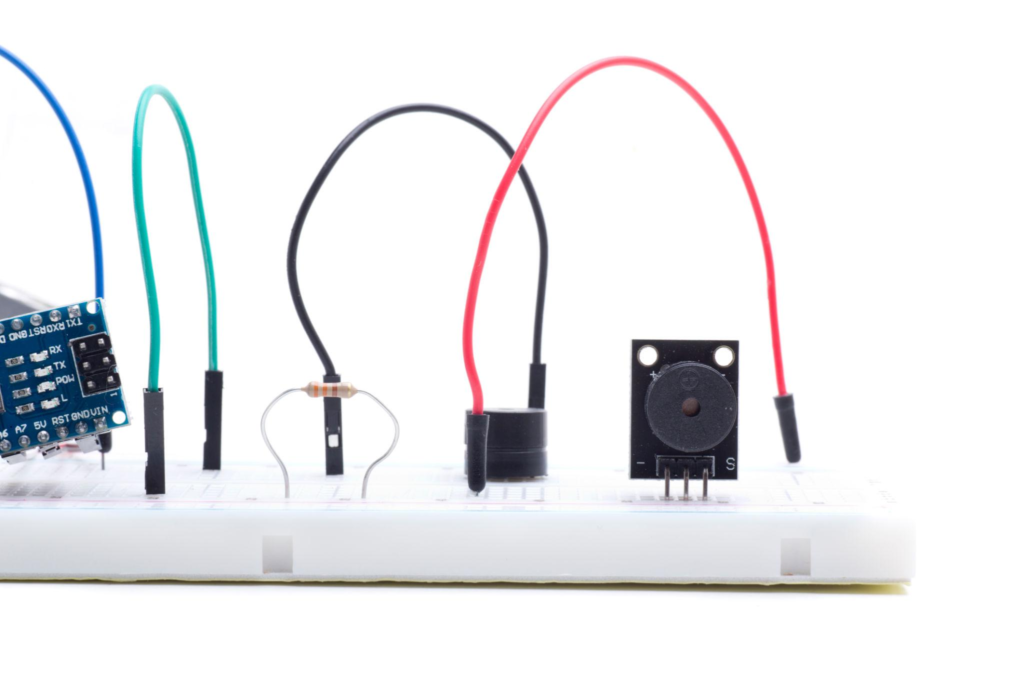
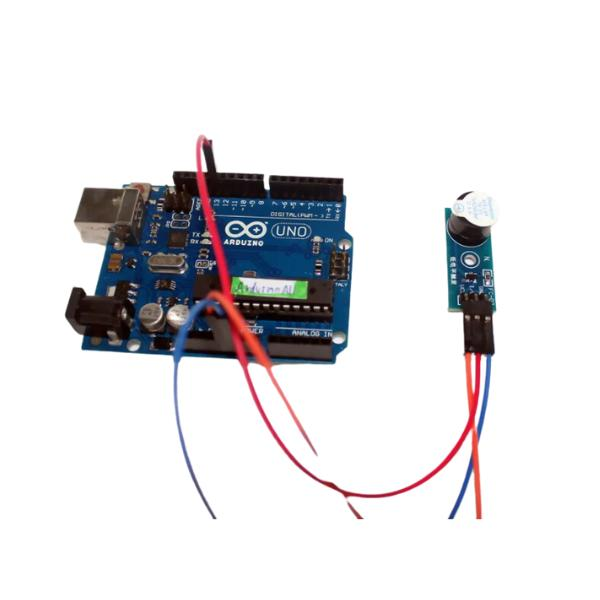
A piezo buzzer produces sound when electricity flows through it and is commonly used in alarms, doorbells, and notification systems.
3. Capacitor – The Tiny Power Saver
A capacitor stores electrical energy for a short period and releases it when needed.
You can think of a capacitor as a tiny rechargeable battery that charges and discharges extremely fast.
Functions of a Capacitor
- Stores electrical energy
- Releases quick bursts of power
- Smooths electricity flow
- Stabilizes electronic circuits
Real-Life Examples
- Camera flash units
- Television power supplies
- Mobile phones
- Fans and appliances
Why Is a Capacitor Important?
Capacitors help electronic devices work smoothly by balancing electricity flow and supplying extra energy when needed.
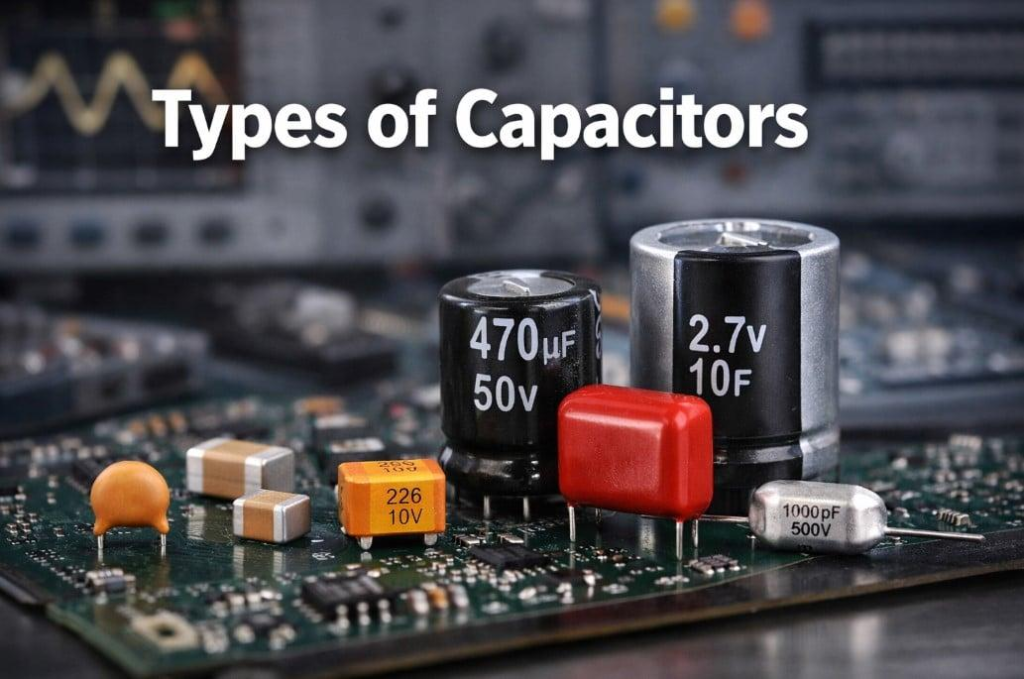
Capacitors store and release electrical energy quickly, helping electronic circuits maintain smooth and stable operation.
4. Diode – The Traffic Police of Electronics
A diode is a component that allows electricity to flow in only one direction.
Think of it as a traffic police officer controlling the movement of vehicles. It ensures electricity travels safely in the correct direction.
Functions of a Diode
- Allows one-way current flow
- Prevents reverse current
- Protects electronic circuits
- Improves circuit safety
Real-Life Applications
- Mobile chargers
- Laptop adapters
- Solar panels
- Power supplies
Why Is a Diode Important?
Without diodes, reverse current could damage sensitive electronic components.
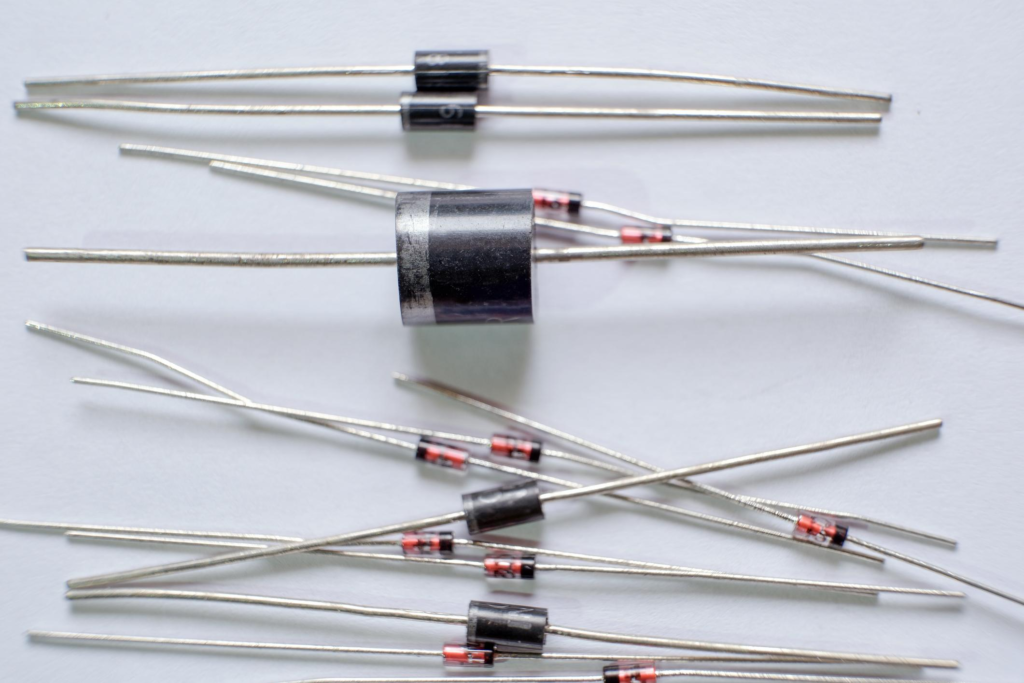
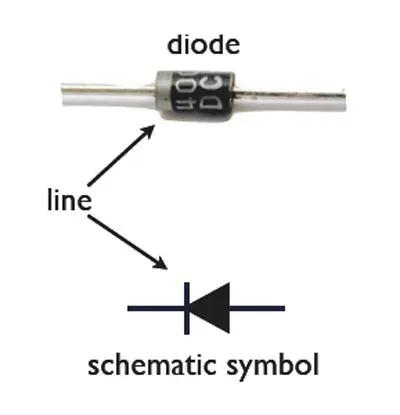
A diode allows electricity to flow in only one direction, protecting electronic circuits from reverse current and potential damage.
5. Transistor – The Superhero of Electronics
A transistor is one of the most important inventions in modern electronics.
It acts as both:
- A very fast switch
- A signal amplifier
Transistors can take a weak electrical signal and make it stronger.
Main Functions of a Transistor
Signal Amplification
A transistor boosts weak signals so that devices can operate effectively.
Electronic Switching
It can rapidly turn electrical circuits ON and OFF.
Real-Life Applications
- Computers
- Smartphones
- Radios
- Televisions
- Remote controls
The Three Terminals of a Transistor
- Base
- Collector
- Emitter
Why Is a Transistor Important?
Transistors are often called the brain of modern electronics because they help control and process electrical signals.
Summary Table of Electronic Components
| Component | Primary Function | Real-Life Examples | Key Insight |
|---|---|---|---|
| Switch | Controls ON/OFF flow of electricity | Light switches, fan controls | Essential for controlling devices |
| Buzzer | Produces sound alerts | Doorbells, alarms, microwaves | Provides notifications and warnings |
| Capacitor | Stores and releases energy quickly | Camera flash, TVs, mobiles | Balances power flow |
| Diode | Allows one-way current flow | Chargers, solar panels | Protects circuits |
| Transistor | Amplifies signals and acts as a switch | Computers, mobiles, radios | Brain of electronics |
Why Learn Electronic Components?
Learning about electronic components helps students:
- Understand how gadgets work
- Build robotics and STEM projects
- Improve problem-solving skills
- Explore innovation and technology
- Prepare for future careers in engineering
A strong foundation in electronics opens the door to exciting fields such as robotics, artificial intelligence, IoT, and automation.
Learn Electronics with RoboSiddhi
At RoboSiddhi, we make technology learning fun and practical for students. Through hands-on STEM activities, robotics projects, coding workshops, and electronics training, students gain real-world skills while building exciting projects.
Whether you’re a beginner or an aspiring innovator, RoboSiddhi provides the perfect platform to explore electronics, coding, robotics, and future technologies.
Watch the Full Electronics Components Tutorial
Want to see these electronic components in action? Watch the complete RoboSiddhi tutorial where Ramkishore explains Switch, Buzzer, Capacitor, Diode, and Transistor using simple examples and real-life analogies.
What you’ll learn in this video:
- How a switch controls electricity flow
- Why buzzers are used in alarms and notifications
- How capacitors store and release energy
- The role of diodes in protecting circuits
- Why transistors are called the “brain” of electronics
- Real-world applications of each component
Perfect for:
- School students
- STEM learners
- Robotics enthusiasts
- Parents introducing electronics to children
- Beginners starting their electronics journey
Final Thoughts
Switches, buzzers, capacitors, diodes, and transistors may seem like small components, but they play a huge role in modern electronics. Every electronic gadget around us depends on these components working together efficiently.
By understanding these five important electronic components, beginners can start building a solid foundation in electronics and take their first step toward becoming future engineers, makers, and innovators.