
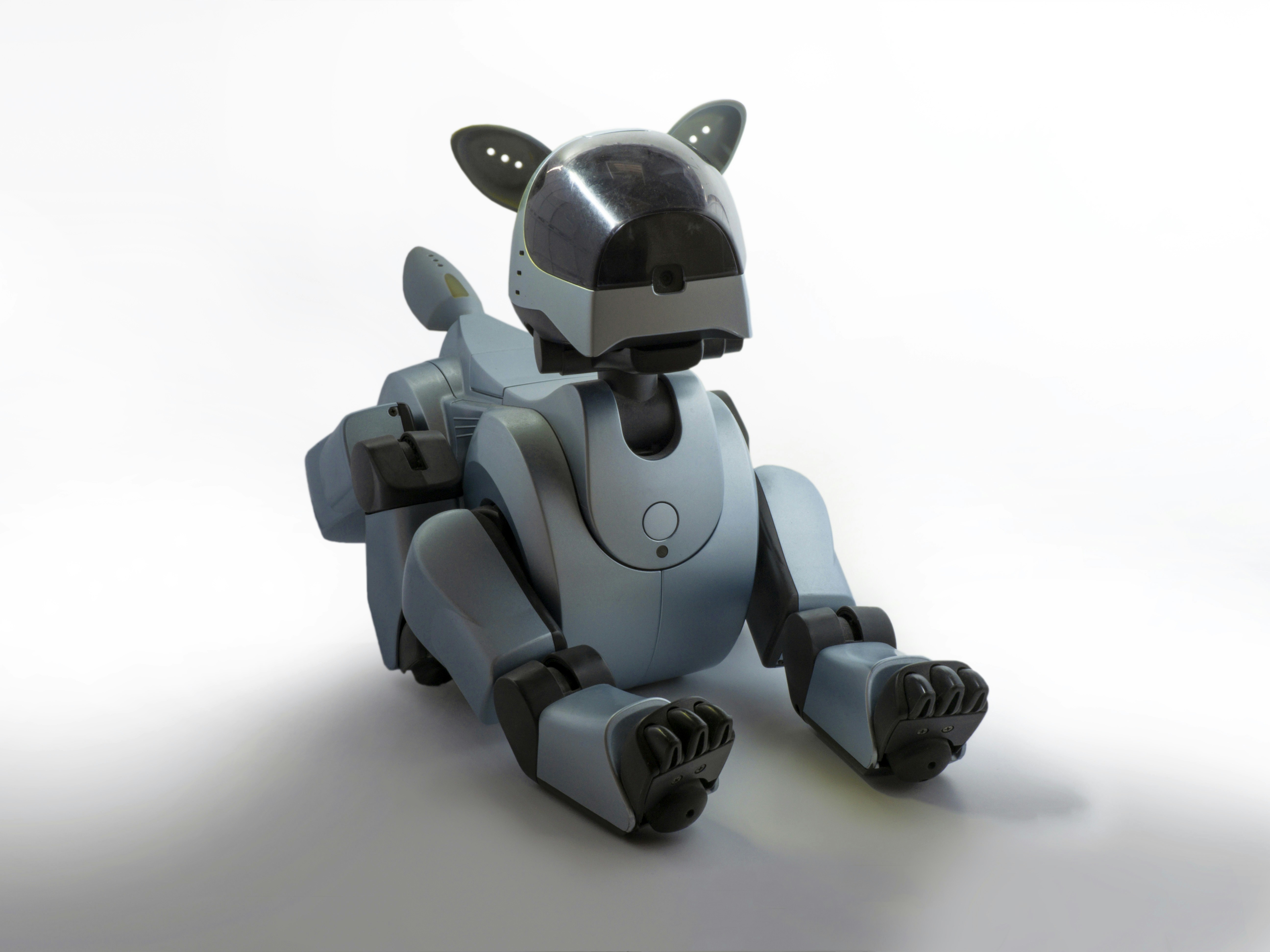
Introduction to Robot Dog Projects
Robot dog projects have emerged as a fascinating intersection of science, technology, engineering, and mathematics (STEM) education, captivating the interest of students and educators alike. These projects not only enhance technical skills but also foster creativity and critical thinking, essential traits for future problem solvers. By integrating robotics into the curriculum, educators create an engaging learning environment that encourages experimentation and innovation.
At the heart of a robot dog project is the opportunity to explore various fundamental concepts in robotics, such as mechanics, electronics, programming, and sensors. Students learn how to design and construct a robotic system that mimics the behavior of a real dog, incorporating features like walking, barking, and even responding to commands. This hands-on approach reinforces theoretical knowledge by giving students a tangible application for the principles they learn in the classroom.
Additionally, building a robot dog offers a comprehensive perspective on the interdisciplinary nature of STEM. Each component of the project requires collaboration between different fields: mechanical engineers may focus on the physical structure, while electrical engineers might handle the circuitry and sensor integration. Computer scientists play a crucial role in programming the robot’s actions and responses, ensuring smooth interactions and functionality. This collaborative effort not only reflects real-world engineering practices but also promotes teamwork among participants.
The benefits of engaging in robot dog projects extend beyond technical skills. Students develop soft skills such as communication, perseverance, and adaptability, which are invaluable in today’s rapidly changing technological landscape. Furthermore, as learners overcome challenges during the design and implementation phases, they build resilience and confidence. Understanding robotics and programming principles through a robot dog project not only encourages interest in STEM careers but also prepares students for future innovations in technology.
Choosing the Right Components
Building a successful robot dog project requires careful consideration of several essential components. The selection of appropriate parts is crucial, as each plays a specific role in enabling the overall functionality of the robot. Primarily, the microcontroller acts as the brain of the robot, processing data and dictating actions. Options such as the Arduino or Raspberry Pi are popular due to their extensive community support, programmability, and versatility. These microcontrollers offer the necessary inputs and outputs to interface with other components effectively.
Sensors are another core aspect of the robot dog, facilitating interaction with the environment. Ultrasonic sensors can be utilized for distance measurements, enabling the robot to identify obstacles. Additionally, infrared sensors can aid in detecting proximity or following the user. Cameras or GPS can further enhance navigation capabilities. The integration of these sensors allows the robot to respond dynamically to its surroundings, making the project more engaging.
Motors are pivotal for movement; therefore, selecting the right type is vital. Servo motors are often used for precise movement control in robotic joints, while DC motors can drive the wheels of the robot dog. The choice between servo and DC motors depends on the desired agility and speed of the robot, making it essential to analyze your specific project needs.
Lastly, the structural materials should not be overlooked. Lightweight yet sturdy materials, such as plastic or aluminum, are typically preferred to ensure mobility without sacrificing durability. The design must accommodate the microcontroller, sensors, and motors, resulting in a cohesive and functional unit. Overall, understanding each component’s role is fundamental to successfully building a robot dog that is both functional and engaging.
Designing the Robot Dog
Designing a robot dog is a multifaceted process that requires a blend of creativity, engineering principles, and careful planning. The initial stage involves sketching concepts that visualize the desired appearance and functionality of the robotic companion. It is crucial to consider aspects such as size, shape, and features that will contribute to the dog’s interactive capabilities. By transforming ideas into detailed sketches, builders can better understand how their final design will look and function.
Choosing an appropriate scale is another significant consideration during the design phase of the robot dog project. The scale will not only affect the materials used but also the complexity of the components. A larger scale may offer more room for intricate features but could also introduce challenges such as weight distribution and power requirements. Conversely, a smaller scale might allow for a more lightweight robot, but at the expense of some functionality. Striking a balance between size, detail, and mechanical capability is essential for a successful build.
The selection of materials for the robot dog’s body plays a critical role in its overall performance and aesthetics. Common materials include lightweight plastics, metals, and even 3D-printed components. Each material brings unique properties to the design, affecting durability, weight, and ease of assembly. Additionally, it is important to consider how different materials may impact the balance and stability of the robot. Proper placement of components such as motors, sensors, and batteries is vital in ensuring that the robot dog can move gracefully and respond effectively to commands.
Ultimately, the design process of creating a robot dog allows for the fusion of imaginative design with practical engineering. By meticulously planning each aspect—from sketching to material selection—builders can create a unique and functional robotic canine companion that showcases both their creativity and technical skills.
Assembling the Robot Dog
Assembling your robot dog is an exciting step in bringing your project to life. Begin by gathering all necessary materials, including the body components, electronic parts such as motors and sensors, and the tools required for assembly. Make sure you have a clear workspace to facilitate organization and efficiency.
Start with the body of the robot dog. Following your design blueprint, carefully attach the legs to the main body structure. Ensure that each leg is secured properly to provide stability and balance once the robot is operational. Utilize screws and bolts as designated in your design, and double-check that they are tightened adequately.
Next, focus on installing the electronics. Begin by positioning the motors, which will allow the robot dog to move. These components should be placed in alignment with the legs, ensuring that they can transfer motion effectively. Once the motors are in place, connect the wiring to a microcontroller or battery pack. This is a crucial step that requires attention to detail; improper connections may disrupt functionality.
After the motors are secured, proceed to install the sensors. Depending on your design, you might want to include sensors for obstacle detection or sound recognition. Mount these in locations that allow for optimal performance. To connect the sensors to the microcontroller, follow the wiring diagram provided in your project guide, ensuring that each wire is firmly attached to avoid disconnection during operation.
Lastly, prioritize safety during assembly. Always handle tools with care, and wear protective eyewear to shield against any potential hazards. If you’re working with other individuals, communicate effectively to prevent accidents and ensure that each person is aware of their role in the assembly process. By meticulously following these steps, your robot dog project will be on its way to successful completion.
Programming the Robot Dog
The programming phase is essential in robotics, particularly for a project like a robot dog. To effectively control the robot’s actions and responses, understanding programming basics is crucial. Two of the most commonly used programming languages in robotics are Python and Arduino. Both languages serve as powerful tools for controlling mechanical tasks, and mastering them can significantly enhance your robot dog project.
Python is renowned for its simplicity and readability, making it an excellent choice for beginners. It utilizes a straightforward syntax that allows developers to write scripts efficiently. For the robot dog project, Python can be employed to create commands that enable the dog to walk, bark, and react to various stimuli, such as sound or motion. Here is a simple example of Python code that could be used to command the robot dog to bark:
def bark(): print("Woof! Woof!")bark()On the other hand, Arduino is a popular platform specifically designed for hardware control. It uses a simplified version of C/C++ and is ideal for communicating with sensors and motors. With Arduino, you can write code that directly interacts with the robot dog’s components, allowing it to exhibit behaviors such as movement. For instance, the following sample code makes the robot dog walk:
const int motorPin = 9;void setup() { pinMode(motorPin, OUTPUT);}void loop() { digitalWrite(motorPin, HIGH); delay(1000); digitalWrite(motorPin, LOW); delay(1000);}Understanding key programming concepts such as loops, conditions, and functions is vital. Loops allow repetitive actions, enabling the robot dog to walk continuously. Conditions help determine responses to stimuli; for example, the robot could bark when it detects movement. Familiarizing yourself with these principles will pave the way for developing a functional and responsive robot dog, adding an exciting dimension to your STEM project.
Testing and Debugging
Testing and debugging are essential phases in the development of any robot dog project, especially in the contexts of science, technology, engineering, and mathematics (STEM). Proper testing ensures that your robot dog operates as intended and is capable of performing the actions it was designed for, while debugging identifies and resolves issues that may compromise functionality.
To begin with, it is advisable to develop a structured testing plan before assembling the robot. This plan should define the specific functionalities that you will be testing. Common features to evaluate might include movement, response to commands, and sensor sensitivity. During this stage, create a checklist that outlines each component of the robot dog, which allows for systematic testing of each function.
Once your robot dog is assembled, the next step is to conduct tests in a controlled environment. Monitor its behaviors by commanding it to execute various tasks, such as walking, barking, or responding to obstacles. It is vital to observe any irregularities during these tests, which might indicate issues such as wiring problems, software bugs, or mechanical failures. Document each trial meticulously, noting any failures or unexpected behaviors.
Should problems arise, troubleshooting becomes necessary. Common issues may include the robot not moving, incorrect command responses, or sensor malfunctioning. In these scenarios, utilize debugging tools such as multimeters for checking electrical connections or software debugging interfaces to analyze the code. Additionally, revisiting your assembly instructions for any overlooked steps can often reveal simple solutions. By taking a methodical approach to testing and debugging, you improve the functionality and reliability of your robot dog, ensuring a successful STEM project that performs at its best.
Enhancing the Robot Dog’s Features
When embarking on the journey of creating a robot dog project, the potential to enhance its capabilities is limited only by your imagination and technical expertise. One exciting approach to augmenting the functionality of your robot dog is to incorporate additional sensors. These sensors can include ultrasonic sensors for obstacle detection, temperature sensors to monitor environmental conditions, or even cameras for visual processing. By adding these components, your robot dog can experience its surroundings more like a living creature, enhancing interaction with users and enriching the overall user experience.
In addition to sensors, enabling voice commands can significantly elevate your robot dog’s interactivity. Leveraging technologies such as voice recognition software can facilitate communication between the user and the robot. Commands such as “sit,” “stay,” or even more complex phrases can be programmed, allowing for more engaging play and commands. Platforms like Raspberry Pi or Arduino can be employed to implement these features, and there are numerous libraries available that simplify the integration of voice recognition into your projects.
Furthermore, incorporating artificial intelligence (AI) into your robot dog can take its functionality to an entirely new level. AI can be utilized for advanced decision-making, enabling the dog to learn from its interactions and adapt to user preferences. Machine learning techniques can help the robot understand whether it should bark, play, or perform other actions based on commands or stimuli, creating a more personalized interaction with the user.
For those seeking inspiration and resources for enhancing their robot dog project, online communities and forums such as GitHub or Hackster.io serve as excellent platforms. These resources allow you to access shared projects, tutorials, and guides that can inform your enhancements. Engaging with the maker community not only introduces you to diverse perspectives but can also spark innovative ideas that elevate your robot dog project to new heights.
Showcasing Your Robot Dog
Once you have completed your robot dog project, the next important step is showcasing your creation to a broader audience. Sharing your project not only brings a sense of accomplishment but also offers an opportunity for valuable feedback and continuous improvement. Various platforms exist for presenting your robot dog, including science fairs, family gatherings, and social media.
Participating in science fairs is one of the most traditional yet effective ways to showcase your robot dog. These events allow you to interact with peers and professionals who may share your interests in robotics and technology. When presenting at a science fair, create an engaging display that highlights the features and functionalities of your robot dog. Explain the design process, the challenges you faced, and the outcomes achieved. This narrative not only captivates your audience but also conveys the educational value of your project.
In addition to formal events, family gatherings can serve as less formal venues for presentation. Demonstrating your robot dog to family members can be a rewarding experience that allows you to explain the technical aspects of your project in a relaxed environment. It also presents an excellent opportunity for younger family members to engage with STEM concepts in a fun and interactive way.
Furthermore, the rise of social media platforms cannot be overlooked when considering how to showcase your robot dog. Platforms like Instagram, Facebook, and YouTube allow you to reach a global audience. You can post videos demonstrating your robot dog’s capabilities, share insights from your building process, and even write blog posts that elaborate on the technical details of your project. Engaging with online communities centered around robotics provides constructive feedback and can inspire others to embark on similar projects.
In summary, showcasing your completed robot dog project through various channels enhances the learning experience and fosters a sense of community while allowing you to receive constructive criticism and praise for your hard work.
Conclusion and Next Steps
Embarking on the journey of creating a robot dog project presents an enriching opportunity to engage with STEM disciplines while fostering creativity and technical skills. Throughout this journey, several key takeaways emerge that can inspire future endeavors in robotics. Firstly, the project illustrates the significance of understanding fundamental electrical and mechanical concepts—skills that are essential for any budding engineer or inventor. One’s ability to conceptualize a design, program functionalities, and troubleshoot issues can significantly enhance the overall learning experience.
Reflecting on what aspects of the robot dog project were most enjoyable can provide valuable insights. Whether it was the coding process, assembling the components, or the final testing phase, identifying these preferences will help narrow down future projects. For instance, if coding was particularly appealing, one might consider exploring more advanced programming languages or robotics platforms. Additionally, integrating more complex sensors or developing sophisticated algorithms could add new layers of functionality to the existing robot dog.
Moreover, the knowledge gained from this project can serve as a stepping stone toward more ambitious undertakings, such as designing a robot that interacts more seamlessly with its environment or even venturing into artificial intelligence. The realm of robotics is vast, and each project builds upon the last, fostering a deeper understanding of technologies that will shape our future. Thus, aspiring engineers are encouraged to take inspiration from their experiences with the robot dog project and apply those lessons to upcoming challenges. The world of STEM has endless possibilities, waiting to be explored by innovative thinkers eager to expand their skills and expertise.