
Introduction to Humanoid Robots
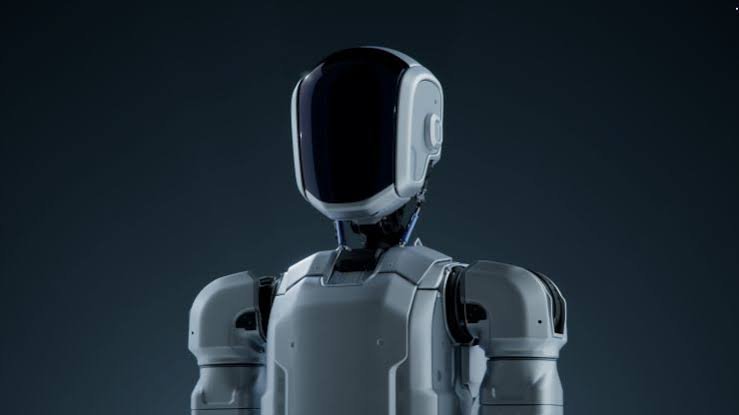
Humanoid robots are machines designed to resemble the human form, both in appearance and behavior. They possess a head, torso, arms, and legs, allowing them to navigate and interact within environments that are familiar to humans. This human-like morphology enables them to perform tasks in a manner similar to people, making them especially valuable in various applications. The significance of humanoid robots lies in their ability to operate in human-centric spaces, where traditional robotic designs may struggle.
At the core of humanoid robots are their essential features, which include movement capabilities, sensory systems, and advanced computational resources. They often integrate multiple sensors—such as cameras and microphones—to perceive their surroundings and respond to stimuli. The locomotion of humanoid robots is achieved through sophisticated actuators and control systems, enabling them to walk, run, or manipulate objects. This functionality is crucial in fields such as healthcare, where robots can assist as caregivers, and in customer service, where they can engage with clients effectively.
Humanoid robots find applications across several domains, from research institutions focused on the study of human-robot interaction, to educational environments where they aid in teaching concepts such as programming and robotics. Industries are also leveraging these robots for tasks ranging from assembly line work to customer engagement. As technology advances, the relevance of humanoid robots in everyday life is increasing, prompting further exploration into their design and utility. Understanding these machines from their foundational aspects provides a solid groundwork for delving into more complex topics associated with their development and implementation.
Understanding the Basics of Robotics
Robotics is a multidimensional field that merges engineering, computer science, and technology, allowing for the design and construction of robots. When embarking on the journey of building humanoid robots, it is essential to understand the fundamental components that make up robotic systems. The primary elements include sensors, actuators, and controllers, each crucial for the robot’s functionality.
Sensors serve as the robot’s sensory organs, gathering information from the surrounding environment. These devices can range from simple proximity sensors to complex vision systems that mimic human sight. They provide critical data, such as distance measurements and environmental conditions, enabling the robot to interact effectively with its surroundings. Understanding various types of sensors, their applications, and limitations is paramount for anyone keen on robotics.
Actuators are the next building blocks in a humanoid robot. They are responsible for movement and can be thought of as the muscles of the robot. Actuators convert electrical energy into mechanical motion, allowing the robot to perform actions such as walking, grasping, or moving its limbs. Knowledge of different actuator types, including servo motors, stepper motors, and pneumatic actuators, equips builders with the ability to select suitable components for specific tasks.
Controllers form the brain of the robot, processing input from sensors and sending commands to actuators. This component is critical for determining the robot’s behavior and responses to various stimuli. Familiarity with programming skills is essential, as these will empower one to develop control algorithms that optimize robot performance. Learning programming languages such as Python, C++, or specialized robotics platforms brings life to these mechanical creations, enabling them to function autonomously or semi-autonomously.
In conclusion, grasping these fundamental concepts in robotics is essential for anyone interested in creating humanoid robots. By understanding the roles of sensors, actuators, and controllers, along with acquiring basic programming skills, aspiring roboticists can lay a solid foundation for their future projects.
Choosing the Right Humanoid Robot Platform
As the field of robotics continues to advance, the selection of humanoid robots available on the market has expanded significantly. Choosing the right platform is critical, as it depends on various factors, including the user’s skill level, intended goals, and budgetary constraints. Understanding these elements can greatly enhance the user’s experience and success in working with humanoid robots.
For beginners, platforms such as the NAO robot by SoftBank Robotics or the ARMAR series offer user-friendly interfaces and comprehensive learning resources. These robots are equipped with pre-programmed capabilities that allow users to focus on basic programming concepts and robotic interactions without feeling overwhelmed by complexity. Moreover, these platforms typically come with extensive community support and documentation, which is invaluable for those just starting their journey in robotics.
Hobbyists may find platforms like the Robotis OP2 or Pepper to be more suited to their needs. These humanoid robots allow for greater customization and programming depth, providing the flexibility to create unique projects that challenge users’ skills. They often come with additional sensors and functionalities that can be tailored to specific objectives, enhancing the creative process. While these options may demand a higher budget, they provide a more engaging and inspiring experience for individuals looking to delve deeper into robotics.
For professionals seeking advanced capabilities, options like the Atlas robot from Boston Dynamics or the Honda ASIMO platform are leading choices. These humanoid robots exhibit sophisticated features, including advanced locomotion, perception, and interaction, suitable for research and commercial applications. Nonetheless, they require a significant investment and a deeper technical understanding of robotics.
Ultimately, selecting the right humanoid robot platform requires assessing one’s personal objectives and technical skills, coupled with budget considerations. This thoughtful approach will pave the way for successful engagement with humanoid robots across different levels of expertise.
Basic Robotics Programming Languages and Tools
As you embark on your journey toward understanding humanoid robots, familiarity with various programming languages and tools is vital. Programming plays an essential role in defining the behavior and functionalities of robots. Prominent among the languages used in robotics are Python and C++, alongside specialized frameworks such as the Robot Operating System (ROS).
Python is widely regarded for its simplicity and readability, making it an excellent choice for beginners. Its vast ecosystem of libraries allows for rapid development and experimentation, which is particularly beneficial when programming humanoid robots. From controlling sensors to processing data, Python can manage diverse tasks efficiently. The language’s support for artificial intelligence and machine learning libraries further enhances its utility in advancing humanoid robotics applications.
On the other hand, C++ offers advantages in performance and fine-grained control over system resources, crucial for real-time applications in robotics. C++ is often considered the industry standard due to its speed and efficiency, particularly when programming complex algorithms that require quick processing. Moreover, many humanoid robot platforms are designed with C++ in mind, lending itself to robust software development.
In addition to these programming languages, ROS deserves special mention as it is a flexible framework for writing robot software. It provides essential tools and libraries that facilitate complex robot behaviors and tasks. With ROS, developers can leverage pre-built modules for navigation, perception, and manipulation, which significantly accelerates the development process of humanoid robots.
For those looking to enhance their programming skills, numerous resources are available online. Websites like Coursera and edX offer courses in Python and C++, while the official ROS website contains comprehensive documentation and tutorials. Engaging with these tools and languages will lay the foundation for your practical understanding and application of humanoid robotics.
Hands-On Basics: Building Your First Humanoid Robot
Building your first humanoid robot can seem daunting, but with the right guidance and materials, it can be a rewarding and educational experience. The initial step involves gathering the necessary components. Typically, you will require a microcontroller, servos, a chassis, and additional sensors such as ultrasonic or infrared sensors. Online marketplaces and local electronics stores are excellent sources for these materials. It’s advisable to purchase a beginner’s kit which often includes many essential parts tailored for constructing humanoid robots.
Once you’ve sourced the materials, the next phase involves assembling the robot’s physical structure. Start by setting up the chassis; this will be the framework onto which all other components will be attached. Use screws or adhesive as required, ensuring that everything is secure yet easy to disassemble if needed. Following the physical assembly, you will need to install the servos that will act as joints for your robot, mimicking human-like motion. It’s essential to position these servos at key joints such as the elbows, knees, and shoulders.
After the mechanical assembly is complete, the next step is wiring. Create a schematic that illustrates how each component connects to the microcontroller. Be cautious with the wiring to ensure that the connections are accurate; this will help facilitate proper functionality during testing. Consider color-coding your wires to simplify the process. Once wired, upload a basic control program to your microcontroller. You may utilize simple Arduino code to trigger movements and allow for initial testing of each joint.
Finally, after completing your assembly and wiring, it’s time for the testing phase. Conduct individual tests for each servo to observe their movement ranges and responsiveness. This initial testing can build your confidence as you prepare to tackle more advanced features and functionalities in your humanoid robot project. Engaging in this hands-on experience is crucial for understanding robotics principles that will be pertinent in future endeavors.
Advanced Programming Techniques for Humanoid Robots
As the field of robotics continues to evolve, integrating advanced programming techniques into humanoid robots becomes increasingly essential. Utilizing artificial intelligence (AI) and machine learning enables these robots to interpret data, learn from their environments, and make autonomous decisions. Effective programming can lead to enhanced interaction with human users, enabling humanoid robots to understand natural language, recognize faces, and respond appropriately to various stimuli.
One critical component of programming humanoid robots is the concept of motion planning. This involves creating algorithms that allow robots to navigate and move through their environment efficiently. For instance, algorithms such as Rapidly-exploring Random Tree (RRT) can be vital in defining a path for a robot to follow while avoiding obstacles. This approach emphasizes real-time decision-making, allowing the robot to adapt its movements dynamically.
Moreover, machine learning techniques such as supervised learning, reinforcement learning, and unsupervised learning play significant roles in developing intelligent humanoid robots. For example, through supervised learning, robot systems can be trained using datasets of human movements, allowing them to replicate complex motions. Meanwhile, reinforcement learning enables robots to learn optimal strategies through trial and error, improving their performance over time.
Furthermore, code snippets showcasing these advanced features can provide tangible insights into the programming process. For instance, the implementation of the TensorFlow library allows for building sophisticated neural networks that can be used for facial recognition tasks. An example code might feature a convolutional neural network trained to identify various human expressions, enhancing the robot’s ability to interact socially.
In summary, advanced programming techniques such as AI, machine learning, and motion planning are crucial for optimizing humanoid robot capabilities. By incorporating these strategies, developers can create robots that not only perform tasks effectively but also engage with humans in increasingly meaningful ways.
Real-World Applications of Humanoid Robots
Humanoid robots have increasingly gained traction across various industries, showcasing their potential to enhance efficiency, improve service delivery, and even revolutionize the way we interact with technology. In healthcare, for instance, humanoid robots are being utilized to assist medical professionals in diverse roles, from providing companionship to patients to aiding in rehabilitation exercises. A notable example is the use of robots like Robear, which can lift patients and help them move within hospital settings, alleviating some physical strain from caregivers. This application not only improves patient mobility but also enhances the overall quality of care delivered.
Similarly, the service industry has seen innovative implementations of humanoid robots. Hotels and restaurants employ these robots for tasks such as greeting customers, taking orders, or providing information about services. One notable case study involves a hotel in Japan that employs a humanoid robot named “Churi” to interact with guests, exemplifying efficiency and a unique customer experience. This integration of humanoid robots into service settings reflects current trends where businesses seek to streamline operations while maintaining customer satisfaction.
In education, humanoid robots serve as avant-garde tools for enhancing learning experiences. Robots like NAO have been utilized in various educational institutions to aid in teaching programming and robotics. These programmable robots engage students in interactive activities, thereby making learning more engaging and practical. Moreover, they assist educators in different subjects, catering to diverse learning styles while fostering a collaborative learning environment.
The entertainment industry also witnesses a surge in humanoid robotics applications, with robots becoming integral to theatrical productions, television shows, and theme parks. The fusion of art and technology has allowed for more immersive experiences, capturing audience imaginations through lifelike performances and interactions.
Challenges in Humanoid Robotics and Future Prospects
Humanoid robotics, while promising and innovative, faces a myriad of challenges that hinder its development and acceptance. One significant challenge is the ethical considerations surrounding the deployment of humanoid robots in society. Developers must grapple with questions about privacy, the morality of robot interactions, and the potential for bias in artificial intelligence algorithms. As humanoid robots become more integrated into daily life—serving as caregivers, companions, or even workers—the ethical implications of their decision-making processes become increasingly critical.
Another considerable hurdle in the field is the technical limitations inherent in creating robots that can mimic human dexterity, mobility, and cognitive functions. Existing humanoid robots often struggle with basic locomotion, balance, and performing tasks that require fine motor skills. This gap between the current capabilities and the desired functionalities makes the development of versatile, efficient humanoid robots a long-term objective. Researchers are exploring advanced materials, artificial intelligence, and machine learning to enhance robot performance in these areas, yet this work is ongoing and complex.
Societal acceptance also poses a challenge, as many individuals harbor skepticism or fear regarding humanoid robots. The portrayal of robots in media often influences public perception, leading to misconceptions about their intentions and capacities. To foster a positive attitude towards humanoid robotics, it is essential to engage in public discourse, educational campaigns, and transparency about developments in this field.
Looking ahead, the future of humanoid robots appears promising, with continuous advancements likely to expand their applications significantly. As technology progresses, we can expect enhancements in emotional intelligence and human-robot interaction, addressing many of the current limitations. With collaborative efforts and innovations, the evolution of humanoid robots may lead to solutions that benefit various sectors, from healthcare to education, shaping a future in which humanoid robots coexist harmoniously with humans.
Getting Involved in the Humanoid Robotics Community
Engaging with the humanoid robotics community presents an excellent opportunity for enthusiasts to learn, share knowledge, and collaborate on innovative projects. As the field of robotics continues to rapidly evolve, connecting with like-minded individuals can enhance one’s journey significantly. There are numerous avenues one can explore to become an active participant in this exciting domain.
Online forums are among the most accessible platforms for individuals interested in humanoid robots. Websites such as Reddit, Stack Exchange, and specialized robotics forums provide spaces where novices and experts converge to discuss ideas, troubleshoot issues, and share experiences. These platforms often host threads dedicated to specific topics, allowing users to follow discussions pertinent to their interests or seek advice on particular challenges they may face.
Workshops and meetups are invaluable for hands-on learning and networking. Many educational institutions, makerspaces, and robotics clubs conduct regular workshops focusing on humanoid robotics. These sessions can range from beginner-level introductory classes to advanced programming and engineering tutorials. Workshops provide opportunities to work directly with robotic kits and software, fostering practical skills essential for anyone aspiring to innovate in this field.
Competitions are another way to immerse oneself in the robotics community. Events such as the RoboCup or the DARPA Robotics Challenge invite diverse participants to design and program humanoid robots to accomplish specific tasks. Engaging in competitions not only enhances technical skills but also fosters teamwork and creative problem-solving. Participating in these events can be incredibly rewarding, as they allow individuals to test their capabilities and gain recognition for their work.
In addition to online resources and local events, numerous educational institutions offer specialized programs in robotics. Universities and technical schools provide courses that delve into both theory and practical applications of humanoid robots. Exploring these programs can further solidify one’s knowledge base and catalyze future career opportunities in this rapidly expanding field.